


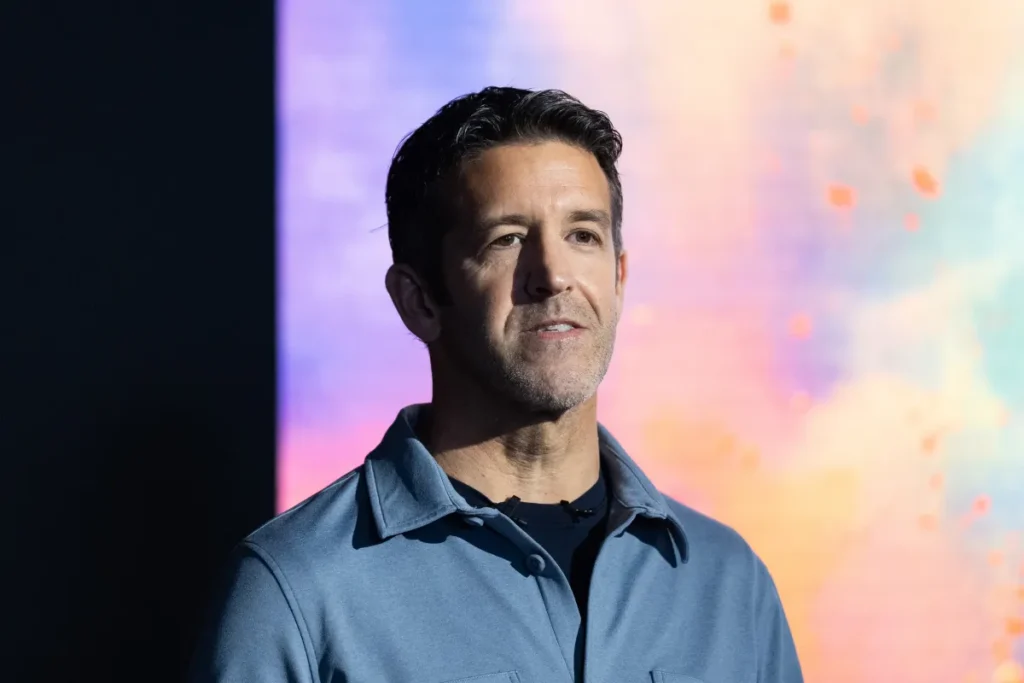
Apple Under Ternus: A New Era for Hardware and AI Begins
Apple under Ternus is about to look very different. As the company juggles fierce AI competition, shifting tariff policies, and an unpredictable global supply chain, a leadership change is set to reshape its direction. On Monday, Apple confirmed that longtime hardware executive John Ternus will step into the CEO role later this year, taking over from Tim Cook.
Cook leaves behind a remarkable legacy. He grew Apple into a $4 trillion juggernaut, expanded its services empire, and steered the company through some of the most profitable stretches in tech history. Ternus, however, brings a noticeably different background. He’s a builder, not a businessman in the traditional sense, having spent decades engineering the products that made Apple a household name.
Who Is John Ternus?
Ternus joined Apple back in 2001 and steadily climbed through the hardware engineering ranks. Over the years, he has played a key role in launching some of the company’s most beloved devices, including AirPods, the Apple Watch, and the Vision Pro headset.
His promotion sends a clear message: Apple wants its next chapter to be defined by hardware innovation. With AI reshaping consumer technology, that focus could not come at a more critical moment.
A Hardware-First Approach to AI
Rather than chasing the AI race by training massive language models, Apple under Ternus may take a different route. The company appears more interested in the devices that AI runs on, whether that means something you carry, wear, or place in your home.
Speculation about Apple’s upcoming product lineup includes:
- Smart glasses designed for everyday use
- A wearable camera pendant that captures moments hands-free
- AI-enhanced AirPods with smarter assistant features
According to Bloomberg, all of these devices would tie back to the iPhone, with Siri playing a much larger role than it does today. The vision is to create a connected ecosystem where AI enhances how you interact with each Apple product, rather than competing with chatbots or web-based AI tools.
Long-Awaited Products May Finally Arrive
Ternus is also expected to push several long-rumored projects across the finish line. The most anticipated is the foldable iPhone, which has been whispered about for years. While rivals like Samsung have already entered the foldable market, Apple has stayed cautious, waiting until the design meets its quality bar. Reports suggest the foldable iPhone could launch as soon as September, putting Ternus directly in charge of the rollout.
Robotics: Apple’s Next Frontier?
Robotics is another area where Apple has reportedly been quietly experimenting. One rumored concept is a tabletop device with a movable robotic arm attached to a display. Think of it as a smart assistant that can physically turn toward you, almost like a desk companion.
Interestingly, this aligns with Ternus’s personal interests. While in college, he created a system that allowed people with quadriplegia to control a robotic feeding arm using head movements, according to The New York Times. That early background suggests robotics may receive serious attention under his leadership.
Other rumored projects include:
- Mobile robots that could follow users around the home
- Devices that act as roaming FaceTime screens
- Early experiments with humanoid robots, though these are likely far from launch
None of these are confirmed, but together they paint a picture of where Apple’s thinking might be heading.
Challenges Waiting on the Horizon
Of course, Ternus won’t be inheriting a smooth runway. Several major hurdles could complicate Apple’s next moves.
Supply chain volatility is a persistent concern. Memory chip shortages, frequently changing tariff policies under President Trump, and Apple’s heavy dependence on Chinese manufacturing all add layers of risk. Before recent tariffs, roughly 80 percent of iPhones were made in China. Apple has been working to shift production, with India now accounting for about 25 percent of iPhone manufacturing as of last year.
Balancing innovation with these external pressures will be one of Ternus’s biggest tests.
What This Means for Apple’s Future
The shift to Apple under Ternus signals a renewed emphasis on what made the company iconic in the first place: beautifully built hardware that quietly integrates new technology into people’s lives. With AI, robotics, and foldables all on the table, the next few years could redefine what Apple looks like as a brand.
Final Thoughts
Tim Cook’s departure closes a historic chapter, but John Ternus’s arrival signals an exciting reset. With his hardware expertise and clear interest in robotics and emerging tech, Apple under Ternus is poised to chase ambitious new product categories. The road ahead will not be easy, especially given supply chain and geopolitical risks, but Ternus appears uniquely suited to lead Apple into its next era of innovation.