


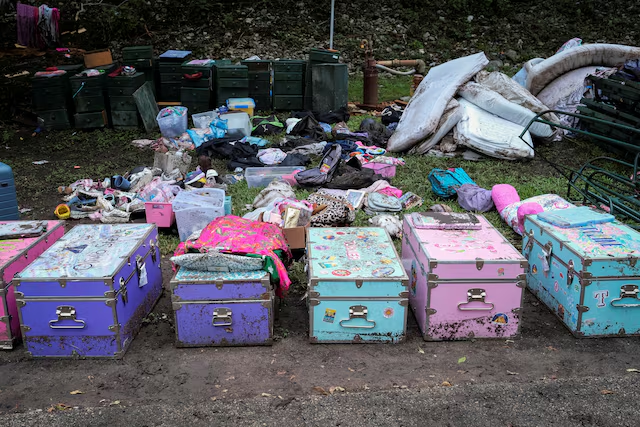
Camp Mystic Reopening Blocked: Texas Cites 22 Flood Safety Deficiencies After Deadly 2025 Disaster
The Camp Mystic flood emergency plan has hit a major roadblock. Nearly a year after a devastating flash flood claimed 27 lives at the well-known Christian girls summer camp, Texas authorities have determined that the facility’s updated emergency preparedness plan is not yet good enough to allow the camp to reopen. State officials have given Camp Mystic 45 days to address the issues and resubmit a stronger plan.
The decision marks a significant moment in a story that has captured national attention. The 2025 disaster was one of the deadliest freshwater flood events in modern American history, and the question of whether Camp Mystic can safely return to operation has been closely watched by parents, regulators, and disaster preparedness experts.
A Tragedy That Shocked the Nation
To understand the weight of this decision, it helps to remember what happened. On July 4, 2025, Texas Hill Country was struck by intense rainfall that turned the Guadalupe River into a deadly torrent. The river surged with terrifying speed, sweeping through the riverfront grounds of Camp Mystic. Twenty-seven campers and staff members lost their lives that morning.
The wider flooding event that hit the region in the following days was even more catastrophic, claiming nearly 140 lives in total. It became the sixth deadliest freshwater flood disaster in the history of the United States. The tragedy raised urgent questions about how summer camps located near waterways prepare for severe weather and how state agencies oversee them.
Why the Reopening Plan Was Rejected
According to an 11-page notice issued by the Texas Health and Human Services Department, Camp Mystic’s revised emergency plan contains 22 components that are either insufficient, missing, or incomplete. The department concluded that these deficiencies must be corrected before the camp can be licensed to reopen.
The notice was delivered to camp leaders on Thursday as part of the state’s licensing application review process. Camp Mystic had been hoping to welcome campers again this summer with enhanced safety measures in place. Now, that goal depends on how quickly and thoroughly the camp can address the state’s concerns.
The Specific Concerns Raised
The deficiencies cited by the state are not minor. They cover a range of critical areas that directly affect how the camp would respond to another flooding event. Some of the major concerns include:
- Lack of adequate evacuation route maps for staff and campers
- No clear list of which staff members are responsible for specific actions during an evacuation
- Missing procedures for assisting individuals with access and functional needs
- No assigned staff for monitoring and maintaining the facility’s weather alert radio system
- Insufficient detail about how to ensure emergency warnings reach all campers, including those who may need accommodations
State officials emphasized that proper procedures should include clearly defined assistance for individuals with disabilities or special needs. This involves assigning specific staff to help, setting up a buddy system, providing accessible evacuation routes, accommodating assistive devices, addressing transportation needs, and ensuring that emergency warnings reach everyone in a usable form.
A Camp Still in Recovery Mode
In a public statement, Camp Mystic said it is carefully reviewing the notice from the state. As reported by the Texas Tribune, camp leaders have not yet provided detailed responses about how they plan to address the deficiencies. Representatives for the camp also did not immediately respond to additional media requests for comment.
This is understandable. The camp has been navigating a long and emotionally difficult recovery process since the disaster. Rebuilding physical infrastructure is one challenge, but rebuilding trust with families, regulators, and the public is something else entirely.
Tougher Standards for All Texas Camps
It is important to note that Camp Mystic is not alone in facing this kind of scrutiny. Lara Anton, a spokesperson for the Texas Health and Human Services Department, explained that most of the 174 youth camps across the state have received similar notices.
Following the deadly 2025 flooding, Texas implemented tougher emergency safety regulations for camps. These updated rules apply broadly, and the state is using its licensing process to ensure that every facility meets the new standards. In effect, the tragedy at Camp Mystic prompted a statewide overhaul of camp safety expectations.
This wider context is important because it shows that the state is not singling out Camp Mystic. Instead, regulators are applying a more rigorous framework to every camp that operates in Texas, particularly those near rivers, lakes, or other natural features that could pose flood risks.
The Broader Lesson From the 2025 Disaster
The events of July 4, 2025, exposed gaps that had long existed in how youth camps approached flood preparedness. Many of these facilities are decades old, often located in beautiful but flood-prone river valleys. While the natural settings make for unforgettable summer experiences, they also carry inherent risks that require thoughtful planning.
The disaster forced regulators, parents, and camp operators to confront difficult questions:
- How can camps located along rivers ensure rapid evacuation when seconds matter?
- What systems should be in place to alert sleeping campers in the middle of the night?
- How can camps accommodate children with disabilities during emergencies?
- Are weather monitoring tools regularly maintained and tested?
- Do staff receive adequate training for worst case scenarios?
The new Texas standards are essentially attempts to answer these questions in a structured way. The licensing notices being sent to camps across the state are how those answers are being enforced.
What Happens Next for Camp Mystic
The 45 day clock has now started. Camp Mystic must submit a revised emergency plan that addresses every deficiency identified by the state. If the plan meets the new standards, the camp could potentially still reopen for at least part of the summer. If it does not, the camp may need to remain closed for another season.
For families who have a history with Camp Mystic, the uncertainty is difficult. Many alumnae and longtime supporters of the camp have spoken publicly about its meaningful role in their lives. At the same time, the painful memory of the 2025 tragedy makes it clear that no aspect of safety can be taken lightly.
A Difficult Balance for Camp Operators
The situation at Camp Mystic highlights the delicate balance that camp operators must strike. On one hand, summer camps offer experiences that are deeply valuable for personal growth, friendship, and connection with nature. On the other hand, they carry serious responsibilities for the safety and wellbeing of children who are placed in their care.
Operators must invest in more than just facilities and programming. They must build robust emergency response systems, train staff to react under pressure, monitor weather conditions in real time, and have clear lines of communication with parents and emergency services.
For Camp Mystic specifically, the path forward involves not just meeting state requirements but also rebuilding confidence with the public. That requires transparency, accountability, and a willingness to share details about how the camp has changed since the tragedy.
Why This Story Matters Beyond Texas
While this story is rooted in Texas, its implications extend far beyond state borders. Camps in many parts of the country operate near waterways or in regions prone to severe weather. As climate patterns continue to shift and extreme weather events become more frequent, the lessons from Camp Mystic could shape how other states regulate their own youth camps.
Insurance providers, parent associations, and child safety advocates are all watching the situation closely. The decisions made in Texas could influence how camps across the United States approach emergency planning in the years to come.
Key Takeaways
To summarize the most important developments from this story:
- Camp Mystic cannot reopen as planned because its flood emergency plan was deemed deficient.
- Texas officials identified 22 specific deficiencies that must be corrected.
- The camp has 45 days to revise and resubmit its emergency plan.
- Most of the 174 youth camps in Texas have received similar notices under new regulations.
- The 2025 flash flood at Camp Mystic killed 27 campers and staff.
- Wider flooding in the region claimed nearly 140 lives, ranking as the sixth deadliest freshwater flood disaster in US history.
- New regulations focus on evacuation procedures, staff responsibilities, weather monitoring, and accessibility.
Final Thoughts
The story of the Camp Mystic flood emergency plan being rejected is more than just a regulatory update. It is part of a much larger reckoning with how we protect young people in places that are meant to be safe and joyful. The 2025 disaster was a wake up call, and the response from Texas regulators reflects the seriousness of that moment.
For Camp Mystic, the road ahead is challenging. The camp must demonstrate not only that it understands what went wrong but also that it is fully committed to ensuring nothing like the 2025 tragedy can ever happen again. For other camps in Texas and across the nation, this case stands as a reminder that thorough emergency planning is not optional. It is the foundation of every safe summer experience.
In the end, the goal is simple. Children who arrive at camp should always come home. Achieving that goal requires dedication, accountability, and the willingness to learn from even the most painful chapters in our collective history.