


Florida Doctoral Student Killing: Prosecutors Reveal Suspect’s Changing Stories in Zamil Limon Case
The Florida doctoral student killing of Zamil Limon has taken several disturbing new turns as prosecutors release fresh details about the case. Court documents unsealed over the weekend reveal a chilling timeline, gruesome evidence, and a suspect whose statements to investigators reportedly shifted multiple times during questioning.
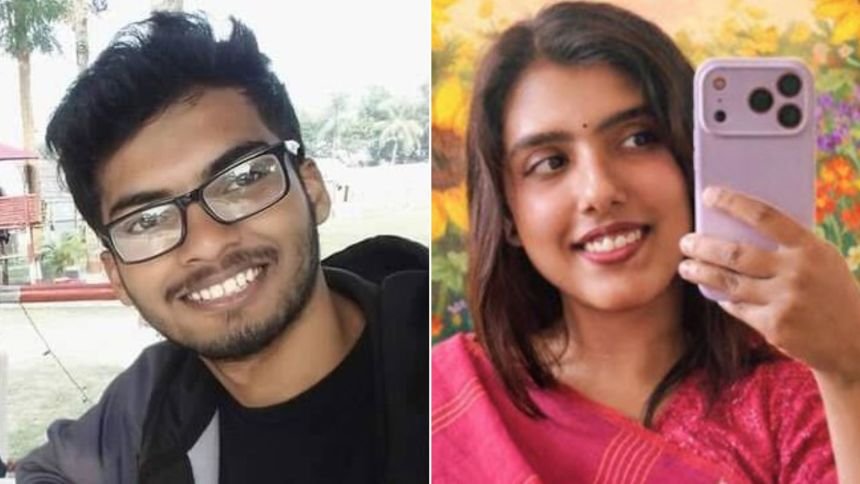
Who Were Zamil Limon and Nahida Bristy?
Zamil Limon, a 27-year-old doctoral student at the University of South Florida, originally hailed from Bangladesh and was pursuing his academic dreams in Tampa. His friend, Nahida Bristy, also 27 and from Bangladesh, was a fellow doctoral student at USF.
Both were last seen in and around the university campus on April 16, and they were reported missing the very next day. Limon’s body was later discovered on the Howard Frankland Bridge in the Tampa Bay area. Bristy, meanwhile, remains missing, although authorities believe she may have met a similar fate.
A Roommate Charged With Two Murders
The man at the center of the case is Hisham Abugharbieh, 26, who was Limon’s roommate. He has been charged with the murders of both students. According to investigators, the violence occurred in the apartment Abugharbieh and Limon shared.
In a pretrial detention motion released Sunday, prosecutors urged the court to keep Abugharbieh behind bars until trial. They argued that the brutal nature of the alleged crimes makes him a serious danger to the community and that no release conditions could safely manage that risk.
Cause of Death and Crime Scene Details
According to the medical examiner’s report:
- Limon’s death was ruled a homicide.
- He died from multiple sharp force injuries.
- He suffered several stab wounds, including a deep stab wound to his lower back that pierced his liver.
Investigators say the violence was severe and clearly intentional. The amount of blood discovered inside the shared apartment was so significant that detectives quickly suspected Bristy had also been killed, even though her body had not yet been recovered.
Possible Discovery of Additional Remains
Late Sunday, the Hillsborough County Sheriff’s Office announced that human remains had been recovered from the waterways south of the Howard Frankland Bridge. While the remains have not yet been formally identified, the location strongly suggests a possible connection to the ongoing investigation.
Bristy’s family in Bangladesh was reportedly informed by detectives that she may not be alive, based on the volume of blood found at the scene. Her brother shared this devastating update with a local CNN affiliate.
A Suspect’s Shifting Story
One of the most striking elements of the case is how Abugharbieh’s account allegedly changed over the course of multiple interviews. According to court records:
- He initially told detectives he had not seen Limon or Bristy on the day they disappeared.
- Investigators discovered his car had been spotted in Clearwater Beach, near where Limon’s cellphone had last pinged.
- When questioned again, he denied the couple had ever ridden in his car or that he had visited Clearwater.
- Once confronted with the cellphone location data, he changed his story and claimed Limon had asked him for a ride to Clearwater along with his girlfriend.
Detectives also noticed that Abugharbieh’s left pinky finger was wrapped in a bandage during questioning. When asked about the injury, he reportedly said he had hurt himself while cutting onions.
Suspicious Items Found in the Apartment
Among the most alarming pieces of evidence cited by prosecutors was a CVS receipt dated April 16, the same day the students disappeared. The receipt reportedly listed:
- Trash bags
- Lysol wipes
- Febreze
For investigators, the combination of items raised immediate red flags, suggesting an attempt to clean up or conceal a crime scene.
How the Suspect Was Arrested
Abugharbieh was taken into custody on Friday morning, but not initially in connection with the missing students. Police were called to his home for what was described as an unrelated domestic violence incident, which led to his arrest.
Hillsborough County Sheriff Chad Chronister called the case deeply disturbing and acknowledged the emotional toll on the community, particularly on those who had hoped for a safe resolution. He noted that the case has shaken not just the local area but also the broader USF community.
Charges and Court Proceedings
Abugharbieh made his first court appearance on Saturday morning. He will remain in custody until a pretrial detention hearing scheduled for Tuesday, where prosecutors are expected to push for him to stay in jail through trial.
He currently faces a long list of serious charges, including:
- Two counts of first-degree premeditated murder
- Unlawfully moving a dead body
- Failure to report a death with intent to conceal
- Tampering with physical evidence
- False imprisonment
- Battery
The Hillsborough County Public Defender’s Office has appointed an attorney to represent him.
A Community in Mourning
The Florida doctoral student killing has cast a long shadow over the University of South Florida and the wider Tampa Bay community. Two promising young scholars who had traveled thousands of miles from Bangladesh to pursue their education are now at the center of one of the region’s most painful criminal cases in recent memory.
Friends, classmates, and members of the local Bangladeshi community have expressed grief and disbelief, with many calling for justice for both Limon and Bristy. As investigators continue to identify the recovered remains and gather more evidence, the case is expected to remain a major focus in the days ahead.
For now, the spotlight will turn to Tuesday’s detention hearing, where the next chapter of this heartbreaking and complex investigation will begin to unfold in court.