


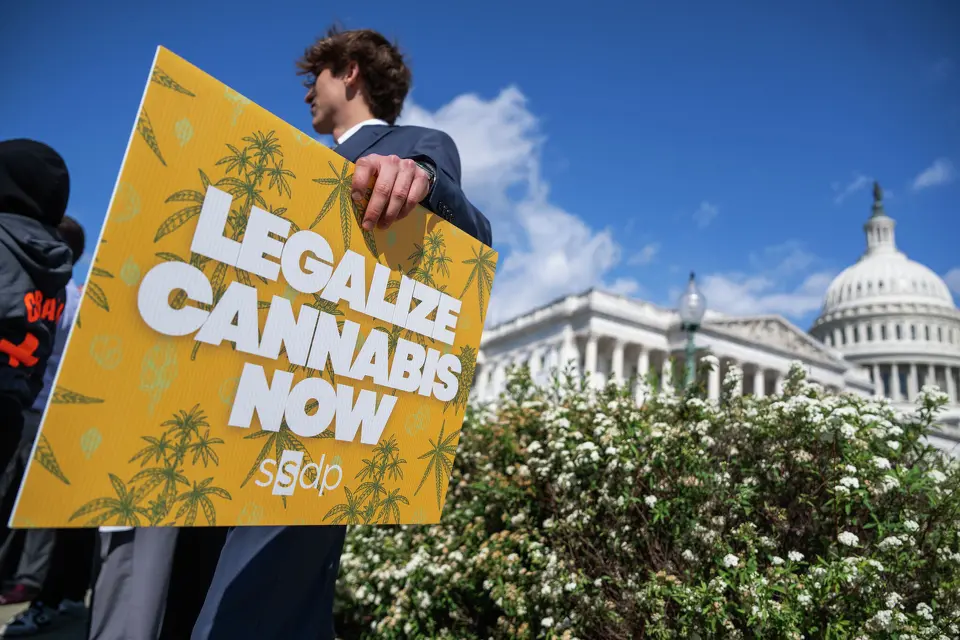
Big changes may be coming to how the federal government treats marijuana. In December, President Donald Trump signed an executive order designed to ease federal restrictions on cannabis, potentially setting the stage for a major reclassification of the drug. If the reclassification moves forward, marijuana would be placed in a new category alongside substances like certain pain relievers, ketamine, and testosterone, all of which are considered to pose lower risks than currently scheduled drugs.
This potential shift could reshape the legal landscape for cannabis in America, though it’s important to understand what the change would and wouldn’t do. Here’s a clear breakdown of what’s happening, why it matters, and how we got to this moment.
The Current Push to Reclassify Marijuana
Trump’s December executive order represents the latest chapter in a long-running debate about how federal law should treat cannabis. The proposed reclassification would move marijuana from its current Schedule I status, where it’s been placed alongside some of the most dangerous drugs recognized by federal law, to Schedule III, a much less restrictive category.
It’s worth emphasizing that this process isn’t new. The Biden administration also considered reclassifying cannabis, and the Drug Enforcement Administration previously proposed recognizing the medical uses of marijuana, acknowledging it has less potential for abuse, and moving it to Schedule III.
However, any actual change requires action by the DEA, which ultimately holds decision-making authority on drug scheduling. According to reports, both the Justice Department and the DEA did not immediately respond to Axios’s requests for comment on the latest developments.
Why Marijuana Is Classified as a Schedule I Drug
To understand the significance of the proposed change, it helps to know how cannabis ended up in the most restrictive federal category in the first place.
A Long History of Regulation
Recreational cannabis use in the United States dates back to the early 20th century, and efforts to regulate it began around the same time. In 1914, Congress passed the Harrison Narcotics Tax Act, which criminalized certain drug use and laid the foundation for future drug enforcement policies.
Additional laws followed in the decades that came after, each pushing cannabis further into legal restriction and imposing harsher penalties on users.
State-Level Criminalization
California was actually the first state to make cannabis possession illegal, according to the National Institutes of Health. Other states quickly followed. By 1937, 23 states had criminalized marijuana possession, creating a patchwork of laws across the country that would eventually be unified under federal legislation.
The Controlled Substances Act
The decisive moment came in 1970, when Congress passed the Controlled Substances Act. This landmark law created the drug scheduling system still in use today and placed marijuana in Schedule I, the most restrictive category. That classification has remained in place for more than 50 years despite growing scientific evidence and shifting public attitudes about cannabis.
What Schedule I Actually Means
Schedule I is reserved for drugs that the federal government considers to have no accepted medical use and a high potential for abuse. Being in this category carries significant legal and research consequences.
According to the DEA, examples of Schedule I drugs include:
- Heroin
- Lysergic acid diethylamide, commonly known as LSD
- Cannabis
- Methamphetamine
- Methaqualone, better known as Quaalude
- Peyote
Looking at this list, many Americans find it surprising that marijuana sits alongside drugs like heroin and methamphetamine. Public perception of cannabis has changed dramatically in recent decades, with widespread medical use, state-level legalization, and abundant research on therapeutic applications. Yet the federal classification has not kept pace.
How Schedule III Is Different
If marijuana is reclassified as Schedule III, the change would be substantial but specific. Schedule III drugs are considered to have moderate to low potential for physical and psychological dependence, and they include substances with recognized medical uses.
Other Schedule III drugs include:
- Certain pain relievers with codeine
- Ketamine
- Testosterone
- Anabolic steroids
- Buprenorphine
Moving cannabis to this category would officially recognize its medical applications and significantly reduce federal restrictions on research, banking, and taxation for cannabis-related businesses.
What Reclassification Wouldn’t Do
Here’s the critical point many people miss. Reclassifying marijuana as Schedule III would not legalize cannabis for recreational use at the federal level. People would still face federal restrictions on using cannabis without a medical reason, and many state laws would continue to govern how cannabis can be bought, sold, and consumed.
In other words, reclassification is a meaningful step but not a comprehensive legalization.
The Difference Between Decriminalization and Legalization
These terms often get used interchangeably, but they mean different things. Understanding the distinction matters for anyone trying to follow marijuana policy discussions.
What Decriminalization Means
According to the American Civil Liberties Union, drug decriminalization removes criminal penalties for certain activities, including possession for personal use. Under decriminalization, someone caught with a small amount of marijuana might face a civil fine rather than criminal charges, similar to getting a parking ticket.
Decriminalization doesn’t create a legal market or regulate the sale of the substance. It simply reduces the legal consequences for possession.
What Legalization Means
Legalization goes further, allowing adults, typically those 21 and older, to possess cannabis legally under state or federal law. Legal cannabis is usually still regulated, with rules about where it can be sold, how much can be possessed, and who can operate in the industry.
Many U.S. states have fully legalized recreational cannabis, creating regulated markets with licensed dispensaries, testing requirements, and tax structures. Other states have medical marijuana programs but not full legalization, while some still maintain strict prohibitions.
Why Reclassification Matters for Everyday Americans
Even though reclassification isn’t the same as legalization, moving marijuana to Schedule III would have real, tangible impacts on many people’s lives.
Easier Access to Medical Research
One of the biggest consequences of Schedule I classification has been the difficulty of conducting medical research on cannabis. Strict federal rules have made it hard for scientists to study the drug’s therapeutic applications, even as individual states have moved forward with medical marijuana programs.
Reclassification as Schedule III would dramatically ease research restrictions, potentially leading to better understanding of how cannabis affects different conditions, how it interacts with other medications, and what its long-term health impacts really are.
Banking and Business Implications
Cannabis businesses operating legally under state law have faced enormous challenges due to federal Schedule I classification. Banks have been reluctant to work with cannabis companies, forcing many to operate largely in cash. That creates security risks, accounting complications, and barriers to growth.
Reclassification could open the door to more normal banking relationships for the cannabis industry, reducing safety concerns and allowing businesses to operate more efficiently.
Tax Treatment Changes
Another major impact would be on taxation. A provision in the federal tax code, known as 280E, prevents businesses trafficking in Schedule I or Schedule II substances from deducting normal business expenses. This has meant cannabis companies often face effective tax rates far higher than other businesses.
If marijuana moves to Schedule III, cannabis businesses would potentially be able to deduct their regular operating expenses, creating significant financial relief for an industry that has struggled under current tax rules.
The Political and Social Context
The potential reclassification doesn’t happen in a vacuum. It reflects major shifts in how Americans view cannabis, how different administrations have approached the issue, and how the political calculations around marijuana policy have evolved.
Shifting Public Opinion
Polling over the past two decades has shown a dramatic change in American attitudes toward marijuana. Majorities across political lines now support some form of legalization, and even more Americans support reclassification or medical use. That shift has created political space for changes that would have been unthinkable a generation ago.
Bipartisan Interest
While marijuana policy is often framed in partisan terms, the reality is more complicated. The Biden administration took steps toward reclassification, and now the Trump administration appears to be continuing in a similar direction. That suggests there may be broader support for this specific change than some observers might expect.
State-Federal Tension
One of the key drivers of reclassification efforts has been the growing tension between state and federal law. More than two dozen states have legalized recreational cannabis, and even more allow medical marijuana. This has created an awkward situation where activities that are legal in many states remain federal crimes.
Reclassification wouldn’t eliminate this tension, but it would reduce it by bringing federal law closer to the reality on the ground in most of the country.
What Happens Next
The timing and details of any potential reclassification remain uncertain. The DEA must formally conduct its review process, which involves reviewing scientific evidence, considering public comments, and making a final determination.
This process could take months or even longer, depending on how quickly the agency moves and whether legal challenges arise. Reclassification decisions can be contested in court, and advocacy groups on both sides of the issue would likely weigh in.
Potential Obstacles
Several factors could complicate or delay reclassification:
- Legal challenges from advocacy groups opposing the change
- Pushback from law enforcement organizations
- Congressional action that could alter the regulatory landscape
- Changes in administration priorities
- International treaty considerations related to drug scheduling
Reasons for Momentum
On the other hand, there are good reasons to think reclassification could actually happen:
- Broad public support for the change
- Scientific evidence that no longer fits Schedule I criteria
- Industry pressure and economic considerations
- Continuity between Biden and Trump administration positions
- The practical difficulty of maintaining the current legal situation
Understanding What This Means for You
For most Americans who use or are curious about cannabis, the practical impact of reclassification would depend heavily on where they live and their personal circumstances.
Medical Users
People currently using cannabis for medical purposes, whether legally under state programs or not, could see expanded access and more treatment options if reclassification leads to more research and prescription availability.
Recreational Users
Recreational users in states where cannabis is legal would see relatively little immediate change in their day-to-day experience. The reclassification wouldn’t create new federal restrictions, but it also wouldn’t legalize recreational use at the federal level.
Cannabis Industry Workers
Workers and entrepreneurs in the cannabis industry would likely see significant benefits, including better banking access, more normal tax treatment, and reduced legal uncertainty. This could translate to more stable employment and business opportunities.
Researchers and Medical Professionals
Researchers studying cannabis and doctors treating patients could see new possibilities opening up, including easier research protocols and potentially new prescription pharmaceutical options derived from cannabis.
The Bigger Picture
The potential reclassification of marijuana represents more than just a policy adjustment. It reflects a fundamental reconsideration of how America approaches drug policy after decades of strict prohibition.
The original scheduling decisions from the 1970s reflected a particular historical moment and set of assumptions about cannabis. More than 50 years later, those assumptions have been challenged by scientific research, changing social attitudes, and the real-world experience of states that have legalized cannabis.
Reclassification wouldn’t settle every question about cannabis policy. Debates about recreational legalization, criminal justice reform for past cannabis offenses, and the appropriate role of federal versus state regulation will continue. But it would mark a significant turning point.
Looking Ahead
For now, Americans interested in the fate of marijuana reclassification should watch for action from the DEA, which holds the formal authority to make the change. The agency’s decision, whenever it comes, will shape cannabis policy for years to come.
Whether you support or oppose reclassification, it’s worth understanding what’s actually on the table. The proposed change is not a sweeping legalization but a more targeted adjustment that would recognize marijuana’s medical uses and reduce some of the most restrictive federal requirements.
The coming months will reveal whether the latest push for reclassification succeeds where previous efforts have stalled. Given the bipartisan interest and the practical realities facing cannabis policy in America, many observers believe change is more likely now than at any point in the past half-century.
Americans who want to stay informed should follow the DEA’s actions closely and pay attention to news from both federal agencies and state governments. The story of marijuana policy in America is still being written, and the next chapter could bring significant changes.