















‘Wicked’ Composer Stephen Schwartz Says He Won’t Appear at Kennedy Center After Name Change
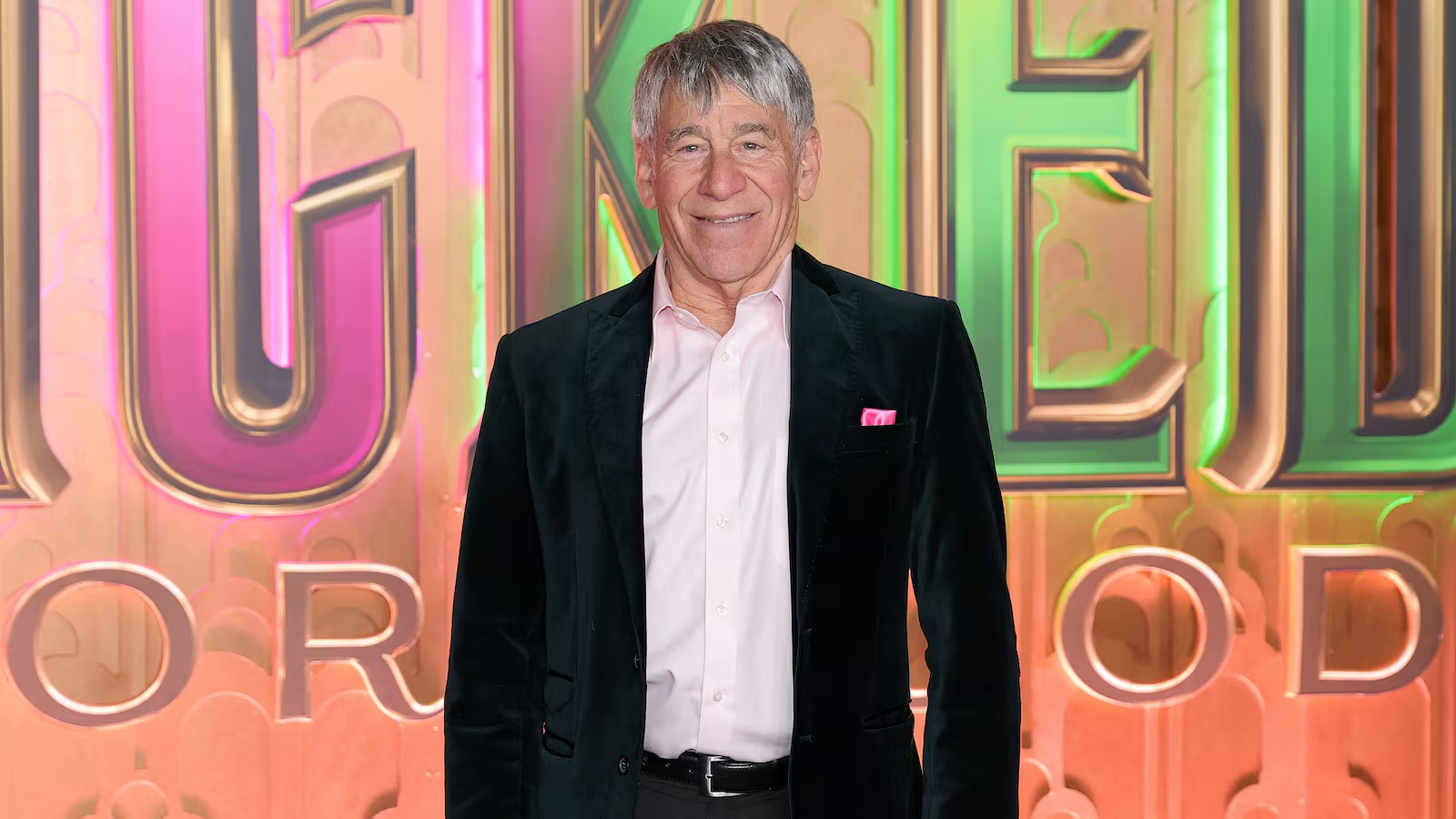
Legendary musical theatre composer Stephen Schwartz, known for works including Wicked, Godspell, and Pippin, has announced he will not appear at the Kennedy Center following its controversial renaming that incorporates former U.S. president Donald Trump’s name. EW.com
Schwartz’s decision underscores growing tension between the performing arts community and the political rebranding of one of America’s most iconic cultural institutions.
What Stephen Schwartz Said
-
Schwartz, an Oscar-winning composer and lyricist, stated he will not participate in a planned Washington National Opera Gala scheduled for May after the Kennedy Center’s name change. EW.com
-
In his communication with media outlets, Schwartz explained that the arts institution “no longer represents the apolitical place for free artistic expression it was founded to be.” EW.com
-
The composer added, “There’s no way I would set foot in it now,” signaling his strong objection to the decision and setting a firm stance many in the arts world may share. EW.com
Controversial Name Change at the Kennedy Center
-
The Kennedy Center, officially the John F. Kennedy Center for the Performing Arts, recently underwent a controversial rebranding to include Donald Trump’s name alongside President Kennedy’s. EW.com
-
Trump’s influence over the institution has been marked by structural changes, including reshaping the board and assuming leadership roles, sparks of discontent among artists and audiences alike. San Francisco Chronicle
-
Multiple artists and performance groups have also canceled scheduled appearances or concerts in protest of the changes. AOL
Broader Backlash From the Arts Community
Schwartz is not alone in pushing back against the rebranding:
-
Several performers and ensembles, including jazz group The Cookers and vibraphonist Chuck Redd, have canceled shows in response to the shifting identity of the Kennedy Center. AOL
-
Critics argue the name change and political association compromise the institution’s mission, historically rooted in supporting neutral cultural expression. EW.com
-
The Kennedy family itself has publicly criticized the renaming, calling it inappropriate and disrespectful to President Kennedy’s legacy. EW.com
Institutional Response
Officials at the Kennedy Center have responded to the controversy with mixed messages:
-
Some representatives have downplayed the cancellations and disputes, suggesting contractual misunderstandings or miscommunication around artist bookings. San Francisco Chronicle
-
Despite resistance from artists and public figures, the institution has continued forward with its leadership and rebranding strategies.
What This Means for the Kennedy Center
The composer’s public withdrawal raises questions about the future direction and reputation of the Kennedy Center:
-
Audience trust: Declining ticket sales and publicized cancellations could weaken audience engagement over time. San Francisco Chronicle
-
Artistic credibility: Long-standing ties with performers and creators may be strained if the center is perceived as politically aligned rather than artistically driven.
-
Legacy and identity: Named to honor President John F. Kennedy’s commitment to the arts, the center’s evolving identity marks a significant shift from its founding principles.
What Happens Next
While Schwartz’s announcement is one of the most high-profile withdrawals, the broader implications for the performing arts landscape and institutional independence are still unfolding. Upcoming events at the center, reactions from other artists, and any legal challenges surrounding the name change will continue to shape public conversation.