


















Israel-Lebanon Ceasefire Extended by 3 Weeks as Trump Warns Iran Time Is Running Out
The Israel-Lebanon ceasefire extended by another three weeks has brought a temporary sigh of relief to a region teetering on the edge of broader conflict. US President Donald Trump confirmed the extension just hours before the fragile truce was set to expire, while simultaneously turning up the heat on Iran with stern warnings and a growing military presence in the Gulf.
As Washington juggles diplomacy in Beirut and confrontation in Tehran, the Middle East once again finds itself at the mercy of shifting alliances, military posturing, and high-stakes political decisions.
A Fragile Truce Gets More Breathing Room
The ceasefire between Israel and Lebanon, which had been holding by a thread, was scheduled to expire on Sunday. With tensions still simmering along the border and both sides wary of any misstep, Trump announced that the truce would be extended by three additional weeks.
The president said he hopes to host both Israeli and Lebanese leaders “in the near future,” signaling an intent to push for a more permanent solution. While the extension doesn’t resolve the deeper issues between the two nations, it does provide diplomats with extra time to negotiate, de-escalate, and possibly lay the groundwork for a lasting agreement.
For civilians in southern Lebanon and northern Israel, the extension means a few more weeks of relative calm, though few are willing to call it peace just yet.
Trump Turns Up the Pressure on Iran
While the Lebanon front sees a pause, Trump’s tone toward Iran has only sharpened. Speaking publicly about the ongoing standoff, the president made it clear he feels no urgency to wrap things up on his own terms.
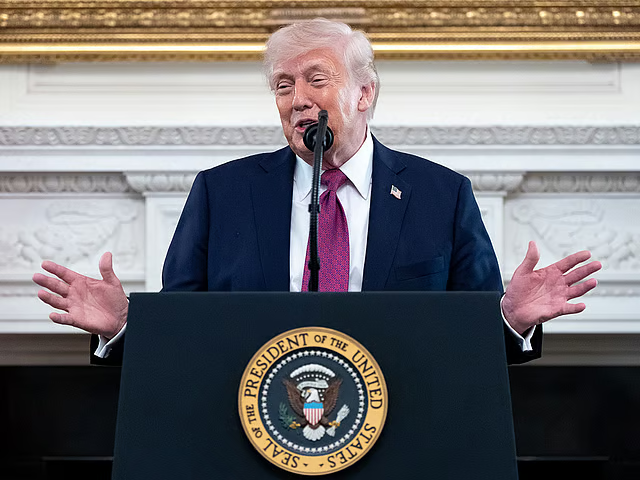
“I have all the time in the World, but Iran doesn’t – The clock is ticking!” Trump wrote on social media, echoing a message that blends patience with thinly veiled threat.
When pressed on a possible end date for the conflict with Iran, Trump pushed back with a blunt, “Don’t rush me.” It’s a posture that suggests Washington plans to let economic and military pressure do the heavy lifting before any serious negotiations begin.
Why Trump Believes Time Favors the US
The president’s confidence isn’t coming out of thin air. Several factors appear to be tilting the balance in Washington’s favor:
- Iran’s economy continues to suffer under sanctions and blockade conditions.
- The US naval presence in the region has reached levels not seen in years.
- Tehran’s regional proxies have been weakened by ongoing strikes and political upheaval.
- International pressure on Iran to return to nuclear talks has intensified.
From Trump’s perspective, every passing day adds to Iran’s strain while costing the US comparatively little. Whether that calculation proves accurate remains to be seen.
A Major Naval Buildup in the Middle East
One of the most striking developments is the sheer volume of American naval firepower now stationed near Iran. A third US aircraft carrier, the USS George HW Bush, has arrived in the Middle East, joining the USS Gerald R Ford and the USS Abraham Lincoln.
Having three carrier strike groups operating in the same theatre is a rare and deliberate show of force. Each carrier brings with it a fleet of destroyers, cruisers, submarines, and fighter jets, essentially forming a floating city of military power.
Analysts say the buildup serves multiple purposes:
- Deterring Iran from escalating hostilities
- Reassuring regional allies like Saudi Arabia, the UAE, and Israel
- Maintaining open shipping lanes through the Strait of Hormuz
- Giving Trump flexible military options should diplomacy fail
It’s the kind of presence that speaks louder than any press conference.
“Shoot and Kill” Orders in the Strait of Hormuz
In a particularly dramatic move, Trump has authorized US forces to “shoot and kill” any Iranian vessels attempting to lay sea mines in the Strait of Hormuz. The narrow waterway is one of the world’s most critical oil chokepoints, and any disruption there could send global energy prices soaring.
The directive marks a significant escalation in rules of engagement. US Navy ships now have clear authority to act decisively against perceived threats rather than simply monitor and report. For Iran, which has historically used the strait as a pressure point during standoffs with the West, this changes the equation considerably.
Tehran Demands an End to the Blockade
While Trump talks about time being on America’s side, officials in Tehran are drawing their own red lines. Iranian leaders have stated that no further talks will take place until the US naval blockade of Iran’s ports is lifted.
The blockade has effectively choked off key maritime trade routes, hitting Iran’s already battered economy hard. Food, fuel, and medical supplies have all been affected, creating growing domestic pressure on the Iranian government to find a way out, without appearing to capitulate.
It’s a classic diplomatic deadlock: Washington wants concessions before easing pressure, Tehran wants pressure eased before making concessions. Neither side seems willing to blink first.
What This Means for the Region
The combination of a ceasefire extension with Lebanon and a hardening stance toward Iran paints a complicated picture of American strategy in the Middle East. On one hand, Trump appears willing to extend diplomatic olive branches where progress seems possible. On the other, he’s not shying away from military muscle where he believes it gives him leverage.
For ordinary people across the region, the stakes couldn’t be higher. Lebanese and Israeli families are hoping the truce leads to something lasting. Iranians are bracing for more economic hardship. Gulf states are calculating how to protect their own interests amid the rising tensions.
The Human Cost Continues to Grow
Behind the political maneuvering and military posturing, the human toll remains the most heartbreaking part of this story. Casualties continue to mount across multiple fronts, with civilians bearing the heaviest burden. Displacement, destroyed infrastructure, and disrupted lives have become the grim backdrop to every headline.
Humanitarian organizations are struggling to keep up with needs on the ground, and regular updates on casualty figures remain essential for understanding the true scope of the crisis.
Looking Ahead: What to Watch Next
Several key questions will shape the coming weeks:
- Will the three-week ceasefire extension lead to a genuine peace framework between Israel and Lebanon?
- Can Trump’s pressure campaign actually force Iran back to the negotiating table?
- How long can the US sustain three aircraft carriers in the region without straining military resources?
- Will Iran attempt any retaliatory action in the Strait of Hormuz, despite the “shoot and kill” order?
- How will global oil markets react if tensions escalate further?
Each of these questions carries enormous weight, not just for the Middle East but for global stability.
Final Thoughts
The Israel-Lebanon ceasefire extended by three weeks offers a small but meaningful window for diplomacy, even as the broader regional picture grows increasingly tense. Trump’s approach, combining diplomatic outreach with aggressive military signaling, reflects a high-risk, high-reward strategy that could either bring breakthrough results or trigger dangerous escalation.
For now, the world watches and waits. The clock may indeed be ticking for Iran, as Trump insists, but it’s ticking for everyone else too. Whether this moment becomes a turning point toward stability or a prelude to deeper conflict depends on decisions being made in Washington, Tehran, Jerusalem, and Beirut over the coming days.
One thing is certain: the Middle East has entered a defining chapter, and the consequences will be felt far beyond its borders.