



















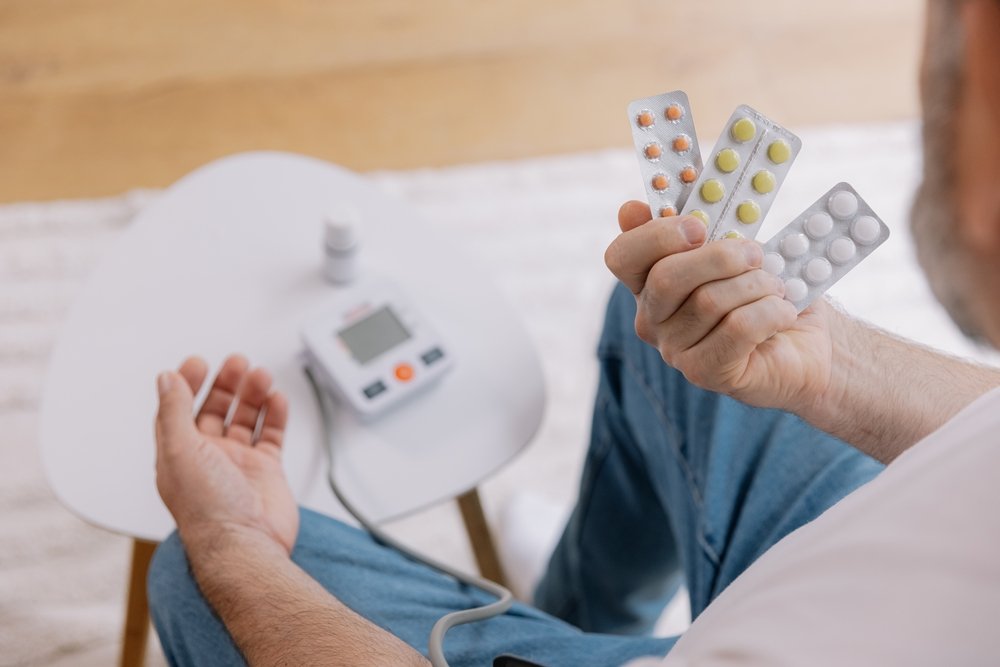
Triple-Pill Combo GMRx2 Slashes Stroke Risk by 40%, Global Trial Shows
A global clinical trial has delivered encouraging news for millions of people living with a dangerous type of stroke. Researchers have found that a simple, once-daily pill combining three low-dose blood pressure medicines can cut the risk of recurrent stroke by approximately 40 percent. The findings, published in The New England Journal of Medicine, could reshape how doctors treat stroke survivors around the world.
The pill, known as GMRx2, is being hailed as a potential game-changer in stroke prevention, especially for patients recovering from intracerebral hemorrhage, a particularly life-threatening type of brain bleed.
What the Trial Found
The study, called TRIDENT, was led by The George Institute for Global Health and involved 1,670 patients who had previously experienced intracerebral hemorrhage. All participants had systolic blood pressure levels between 130 and 160 mmHg, putting them at higher risk of another stroke.
Patients were split into two groups. One group received GMRx2, a single-pill combination containing:
- Telmisartan 20mg
- Amlodipine 2.5mg
- Indapamide 1.25mg
The other group received a placebo. Both groups continued receiving standard care throughout the study.
After an average follow-up period of three years, the results were striking. Only 4.6 percent of patients taking GMRx2 experienced another stroke, compared to 7.4 percent in the placebo group. That translates to a 39 percent reduction in the risk of recurrent stroke.
To put it in practical terms, one stroke was prevented for every 35 patients treated with GMRx2.
Better Blood Pressure Control, Fewer Heart Events
Beyond preventing strokes, GMRx2 also helped patients achieve better overall blood pressure control. On average, patients in the GMRx2 group had systolic blood pressure levels 9 mmHg lower than those in the placebo group. That may sound like a small number, but even modest reductions in blood pressure can have a significant impact on cardiovascular health over time.
The benefits didn’t stop there. The GMRx2 group also saw a 33 percent reduction in major cardiovascular events, which includes:
- Non-fatal strokes
- Non-fatal heart attacks
- Cardiovascular-related deaths
That’s a major improvement, and it highlights how well-managed blood pressure can protect against a wide range of life-threatening conditions.
Safety and Side Effects
Whenever a new treatment shows promising results, safety becomes just as important as effectiveness. The good news here is that GMRx2 performed well on that front too.
Serious adverse events were comparable between the two groups, affecting 23.8 percent of patients taking GMRx2 and 26.8 percent of those taking the placebo. Common concerns that often come up with blood pressure medications, like fatigue, dizziness, and falls, were reported infrequently and occurred at similar rates in both groups.
That safety profile is particularly important because many stroke survivors are older adults, and they often struggle with complex medication regimens. A once-daily pill with a clean safety profile is a real win for this population.
Why This Matters Globally
Intracerebral hemorrhage is one of the most dangerous types of strokes. Globally, nearly 17 million people have experienced this type of stroke, and over three million new cases occur each year. Among survivors, roughly one in four will die from a recurrent stroke or other cardiovascular event.
The condition hits even harder in low- and middle-income countries, where access to effective treatment and consistent blood pressure management is often limited. In these regions, intracerebral hemorrhage occurs nearly twice as often as it does in wealthier nations.
A simple, affordable, once-daily pill that effectively manages blood pressure could make an enormous difference, especially in places where healthcare resources are stretched thin.
Expert Reactions
Professor Craig Anderson, the principal investigator of the study and a senior professorial fellow at The George Institute, emphasized just how meaningful these findings are. He pointed out that while lowering blood pressure is the only proven way to prevent another stroke, achieving good blood pressure control has long been a major challenge. Doctors often hesitate to increase the number or doses of medications when needed, and patients sometimes struggle with complex pill regimens.
The TRIDENT trial offers a straightforward solution to that problem. By combining three low-dose medications into a single daily pill, GMRx2 makes it easier for patients to stick with their treatment and achieve their blood pressure goals.
Professor Jeyaraj Pandian, president of the World Stroke Organization, called the TRIDENT trial a major advance in showing how effective blood pressure control after intracerebral hemorrhage can protect patients worldwide.
Anderson added that these results have the potential to mark a real shift in how stroke patients are treated. He expressed hope that GMRx2 will gain regulatory approval in countries around the world, making it widely available to patients who need it most.
Why Simpler Treatment Matters
One of the most important but often overlooked aspects of medical care is how well patients can actually follow their prescribed treatment. It doesn’t matter how effective a medication is if patients struggle to take it consistently.
Many stroke survivors are prescribed multiple medications for blood pressure, cholesterol, and other conditions. Managing a complex daily routine of pills can be overwhelming, especially for older adults or those with cognitive challenges following a stroke. That’s why a single pill that combines three effective medications is such a big deal.
Here are some of the practical advantages of a single-pill approach:
- Easier to remember and follow
- Less chance of missing doses
- Fewer prescriptions to manage and refill
- Potentially lower cost compared to filling multiple prescriptions separately
- More consistent blood pressure control over time
Simplicity often leads to better outcomes, and GMRx2 is a perfect example of that principle in action.
What This Means for Patients
If you or a loved one has experienced a stroke, especially intracerebral hemorrhage, these findings are genuinely hopeful. The results of the TRIDENT trial suggest that tighter blood pressure control, delivered in a simple once-daily form, can dramatically reduce the risk of another stroke.
Of course, GMRx2 is not yet approved everywhere. Regulatory approvals take time, and individual doctors will need to evaluate whether this treatment is appropriate for each patient. However, the strength of the trial results means that approvals are likely to follow in many countries, including those where stroke is a leading cause of disability and death.
In the meantime, stroke survivors and their families can take away a broader lesson from this research. Blood pressure control is absolutely critical after a stroke, and anything that makes it easier to manage blood pressure effectively is worth discussing with your doctor.
The Broader Shift Toward Combination Therapies
Combination pills are becoming an increasingly popular approach in modern medicine, and for good reason. Instead of prescribing several separate medications at full doses, many doctors are turning to low-dose combinations that work synergistically. This approach often delivers better results with fewer side effects, and GMRx2 is a perfect example of how well the strategy can work.
Some of the reasons combination therapies are gaining traction include:
- Better patient adherence due to simplified dosing
- Improved efficacy through complementary drug actions
- Reduced risk of side effects at lower individual doses
- Greater affordability in many healthcare systems
The success of the TRIDENT trial could encourage researchers to explore similar combination approaches for other chronic conditions, potentially transforming how we manage everything from heart disease to diabetes.
A Hopeful Step Forward
Stroke remains one of the leading causes of death and disability worldwide. For those who survive a stroke, the fear of having another one is very real, and for good reason. But findings like these offer genuine hope that better, simpler treatments are on the horizon.
The TRIDENT trial doesn’t just add another medication to the shelf. It points to a smarter, more accessible approach to stroke prevention, one that could benefit millions of people, particularly those in regions where healthcare access is limited.
Final Thoughts
The results of the TRIDENT trial are a powerful reminder that sometimes, the most effective medical breakthroughs come not from developing entirely new drugs, but from rethinking how we use the ones we already have. By combining three well-established low-dose medications into a single daily pill, GMRx2 has demonstrated the ability to cut the risk of recurrent stroke by nearly 40 percent, while also reducing the risk of other major cardiovascular events.
If the pill is approved and widely adopted, it could save countless lives and dramatically improve the outlook for millions of stroke survivors worldwide. For patients, families, and healthcare systems alike, that’s a future worth looking forward to.
Blood pressure management after a stroke is not optional. It’s a matter of life and death. And thanks to research like this, the tools to do it well are becoming simpler, safer, and more accessible than ever before.
This article is for informational purposes only and should not be considered medical advice. If you have had a stroke or are concerned about your blood pressure, please consult a qualified healthcare provider.