















Justice Department Drops Investigation of Fed Chair Jerome Powell, Clearing Path for New Leadership
In a significant development that could reshape the leadership of the Federal Reserve, the U.S. Justice Department has officially dropped its investigation into Fed Chair Jerome Powell. The decision removes a major political roadblock and opens the door for the Senate to confirm Kevin Warsh, President Donald Trump’s nominee to lead the nation’s central bank.
The move ends weeks of political back-and-forth surrounding the Fed and adds a new layer to an already tense moment in U.S. economic governance.
What Prompted the Investigation
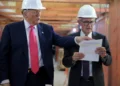
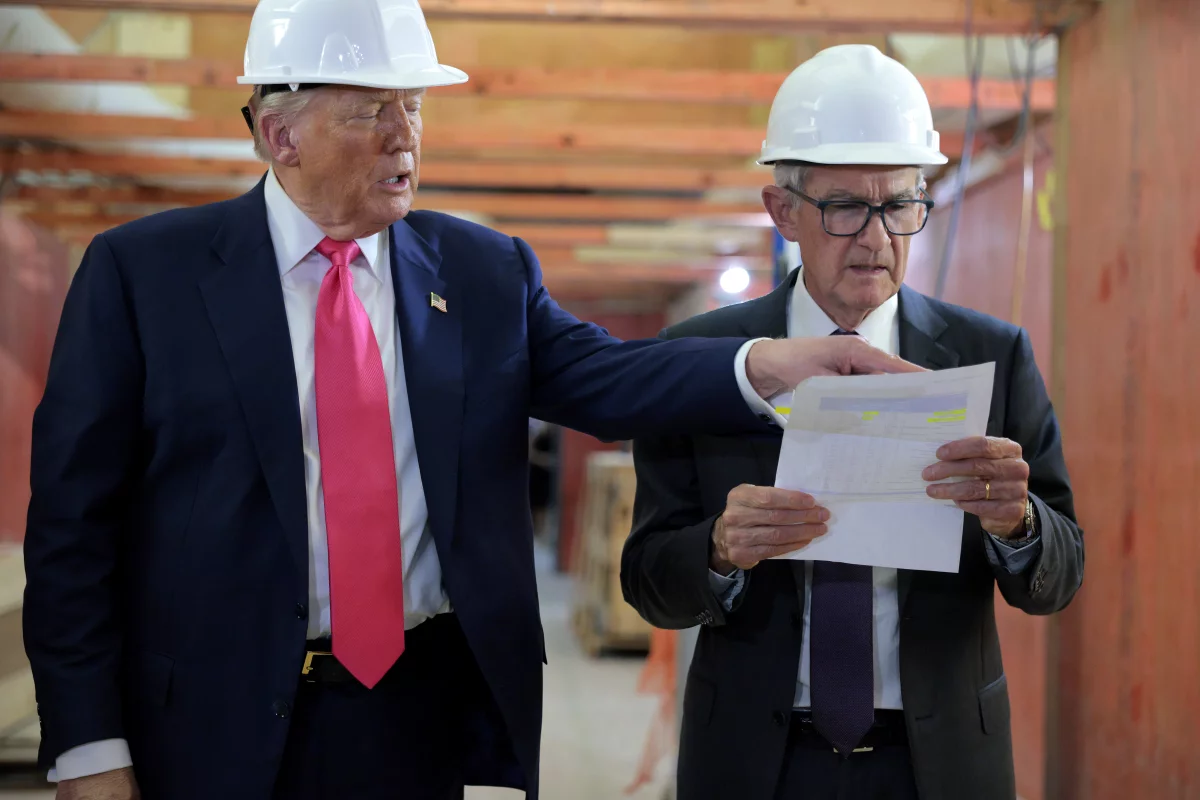
At the heart of the investigation was a controversial renovation project at the Federal Reserve’s Washington headquarters. The project drew attention because it reportedly involved billions of dollars in cost overruns, an issue that became a point of political friction in recent months.
Although the renovation had been reviewed twice by the Federal Reserve’s own inspector general, neither review uncovered any wrongdoing. Still, the matter became a focal point for critics of the Fed and quickly evolved into a larger conversation about oversight, transparency, and accountability at one of the country’s most powerful institutions.
Pirro Steps In and Closes the Case
The announcement came directly from U.S. Attorney for D.C. Jeanine Pirro, who said in a post on X that the Fed’s inspector general has been asked to scrutinize the massive construction cost overruns. In light of that renewed review, Pirro directed her office to close its own investigation, effectively handing the matter back to internal Federal Reserve oversight channels.
Her statement emphasized that taxpayers have borne the brunt of the billions in renovation overruns, which is why the inspector general’s deeper dive was deemed appropriate. For now, the Justice Department is stepping back and letting the Fed’s internal watchdog take the lead.
Why This Matters Politically
This decision isn’t just a legal development. It’s a political one with significant implications. For weeks, Republican Senator Thom Tillis of North Carolina had threatened to block the confirmation of Kevin Warsh as the next Fed Chair unless the Justice Department dropped its investigation into Powell.
With the investigation now officially closed, the path appears clear for Warsh’s confirmation to move forward in the Senate. That’s a major shift in the ongoing transition of Federal Reserve leadership, and one that sets the stage for possible changes in monetary policy direction in the months ahead.
Here’s why this matters on multiple levels:
- It removes a legal cloud hanging over the current Fed Chair
- It unlocks a stalled Senate confirmation process
- It signals a smoother transition of leadership at the central bank
- It ends a distraction at a critical time for U.S. monetary policy
Who Is Kevin Warsh?
Kevin Warsh is not a new name in Washington financial circles. He previously served as a governor of the Federal Reserve from 2006 to 2011, gaining significant experience during one of the most turbulent periods in modern economic history, including the 2008 financial crisis.
Warsh has long been considered a more hawkish voice on monetary policy, often favoring tighter control of inflation and a cautious approach to interest rate cuts. His potential return to the Fed, now as chairman, could mark a notable shift in the institution’s overall economic strategy compared to Powell’s leadership style.
President Trump’s decision to nominate Warsh suggests a desire to bring more assertive economic leadership to the Fed at a time when inflation, interest rates, and global economic uncertainty remain central concerns for American households and businesses.
The Powell Era Winds Down
Jerome Powell has been a high-profile figure at the helm of the Federal Reserve for years. His tenure has included navigating the economic effects of the COVID-19 pandemic, tackling rising inflation, and overseeing the largest interest rate hikes in decades. He has also been a frequent target of criticism, particularly from those who felt his policy decisions were either too aggressive or not aggressive enough.
The renovation controversy became a symbolic flashpoint for broader frustrations with the Fed. While Powell was not accused of personal wrongdoing, the size of the cost overruns raised questions about management and oversight of public money.
With the investigation now dropped, Powell’s exit from the spotlight appears more orderly. Though the inspector general will continue to examine the renovation costs, the broader political and legal pressure on him personally has eased significantly.
What Comes Next for the Fed
Assuming Warsh’s confirmation moves smoothly through the Senate, the Federal Reserve will soon be under new leadership. That transition could bring several potential changes, including:
- A shift in interest rate strategy, with more emphasis on inflation control
- Changes in the Fed’s approach to communication with markets and the public
- Renewed focus on accountability and cost oversight within the Fed itself
- A potential pivot in how the Fed engages with Congress and the White House
Financial markets are likely to watch the transition closely. Any changes in leadership style or policy direction can have ripple effects across stocks, bonds, mortgage rates, and the broader economy. Investors, businesses, and everyday Americans will all be paying attention.
Why the Renovation Story Still Matters
Even though Powell is no longer under Justice Department investigation, the renovation saga isn’t entirely over. The Fed’s inspector general has been tasked with digging deeper into the cost overruns, which means more details about the project could surface in the coming months.
This ongoing inquiry is important for a few reasons:
- It reinforces the idea that even independent agencies like the Fed must answer for large public expenditures
- It keeps the issue of government spending accountability in the public eye
- It could shape how future renovation or infrastructure projects within federal agencies are managed
Whether the inspector general’s findings will lead to any further action remains to be seen, but the scrutiny itself is part of how large public institutions maintain public trust.
Public Reaction and Political Fallout
The Justice Department’s move is likely to produce a wide range of reactions depending on political perspective. Supporters of Powell may see it as a long-overdue resolution to an investigation that never had strong evidence behind it. Critics may argue that the focus has simply shifted rather than ended, with the inspector general now leading the charge.
For those watching the broader political chess match, the alignment between Pirro’s decision and Tillis’s demands highlights how intertwined judicial, legislative, and executive actions can become in high-stakes nominations. The dropped investigation effectively breaks the logjam holding up Warsh’s confirmation, which was a priority for the Trump administration.
A Moment of Transition
What’s unfolding now is more than just the end of an investigation. It’s a broader transition moment for one of the most important financial institutions in the country. The Federal Reserve plays a massive role in shaping interest rates, influencing inflation, and maintaining economic stability. Leadership changes at the top of the Fed almost always have far-reaching consequences.
As Warsh’s potential confirmation draws closer, the focus will shift toward what his vision for the Fed looks like, how he plans to handle ongoing economic challenges, and how he’ll differ from Powell in both tone and substance.
Final Thoughts
The Justice Department’s decision to drop its investigation into Jerome Powell marks a major turning point in the current political and financial landscape. It eases a tense standoff between lawmakers, allows the Senate to move forward with Kevin Warsh’s confirmation, and keeps the Federal Reserve positioned for a smoother leadership transition during a delicate economic period.
While the renovation controversy isn’t completely behind us, the focus is now firmly on the future, on who will lead the Fed, how they’ll approach monetary policy, and what that means for American households, businesses, and markets in the months ahead.
This is a developing story, and new details may continue to emerge. But one thing is clear: the end of this investigation signals a meaningful shift, and the next chapter for the Federal Reserve is about to begin.
This article is for informational purposes only and does not constitute financial or legal advice.