














Xbox Comeback: Why Microsoft’s Gaming Division Is Betting Big on Nostalgia to Reclaim Lost Players
The Xbox comeback strategy is finally taking shape, and it’s leaning heavily on something Microsoft hasn’t tapped into for years: pure, unfiltered nostalgia. After watching the brand slowly drift toward irrelevance during an aggressive subscription-focused era, Xbox is now trying to remind players why they fell in love with the green “X” in the first place. Whether that bet pays off could determine whether Xbox remains a serious console contender or fades into the background of gaming history.
Microsoft is essentially trying to summon back all the gamers it pushed away during its single-minded chase for Game Pass subscribers. Given how today’s players hunger for simpler, less hostile gaming experiences, this nostalgia-driven approach might genuinely be Xbox’s best and possibly only realistic path forward.
The Internal Memo That Changed Everything
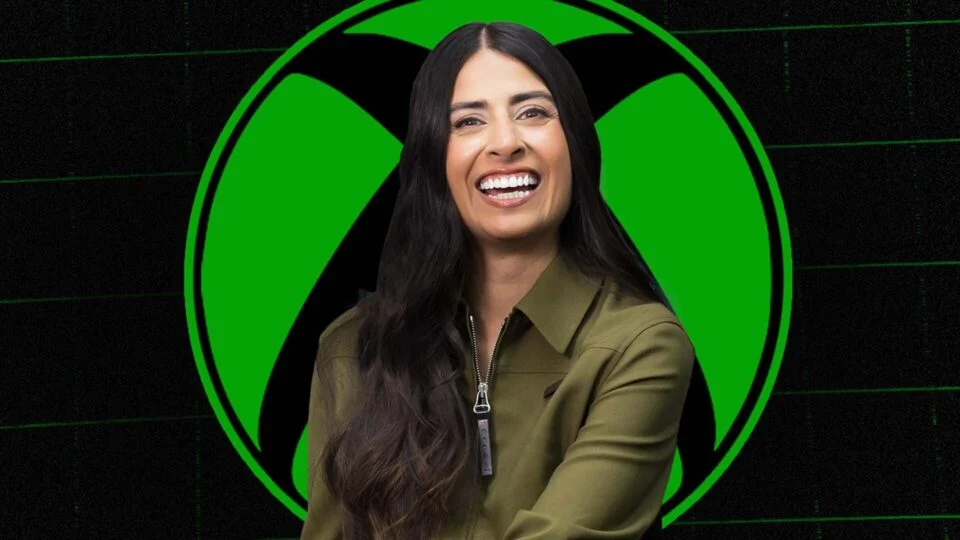
On Thursday, Xbox’s newly appointed CEO Asha Sharma teamed up with chief content officer Matt Booty to publish an internal memo originally sent to Xbox staff. The communication revealed something subtle but significant: the “Microsoft Gaming” brand has officially returned to being just plain “Xbox” again.
This rebrand makes strategic sense on multiple levels. Xbox now stands as Microsoft’s last truly consumer-facing brand, with the rest of the company’s portfolio increasingly resembling a tangled web of government contracts, military partnerships, B2B enterprise services, and various AI deals. Letting Xbox stand on its own legs separates the gaming brand from corporate baggage that does nothing for player loyalty.
Returning Focus to Current Consoles
Under previous leadership from Phil Spencer, the Xbox Series S and Series X gradually faded into something resembling afterthoughts. The new direction under Sharma represents a complete reversal, prioritizing getting actual players onto actual Xbox consoles.
In a recent interview with gaming journalist Stephen Totilo, Sharma made the new commitment crystal clear. She emphasized that Xbox is investing in Series S and X as a first-class experience again, ensuring players who want to be on current-generation hardware get a great console backed by regular updates. According to The Verge’s Tom Warren, those updates could potentially arrive on a roughly two-week cadence.
That kind of attention to ongoing console support is exactly what frustrated Xbox owners have been demanding for years. When you spend hundreds on hardware, watching it get treated as secondary to subscription strategies stings.
The Pricing Problem Won’t Go Away
Here’s where the strategy hits genuine headwinds. The Xbox Series X digital edition now starts at $600, a significant $150 jump from its 2020 launch price. That puts it roughly even with the PlayStation 5 after recent Sony price increases.
But Xbox has been trailing PS5 in console sales both before and after the substantial price hikes of 2025. Sharma has expressed her desire to see the Xbox division return to growth next year, which is an admirable goal but a steep climb given current market dynamics.
Part of the new strategy involves a more affordable Xbox Game Pass Ultimate tier. Gamers responded positively to the lower price point, even though the cheaper option sacrifices day-one access to certain Call of Duty releases.
Hardware Competition Heats Up
The cost equation gets even more challenging when you factor in competition. The $900 PlayStation 5 Pro with its enhanced upscaler currently represents the most powerful console available outside of dedicated gaming PCs. With Microsoft’s Project Helix on the horizon and rumored to launch in 2027, persuading customers to invest in current-generation hardware that costs more than it did at launch becomes a tough sell.
Success will likely come down to game and peripheral sales. Sharma and Booty were notably explicit that they’re still running internal analysis on console exclusivity strategies. Hitting growth, let alone profitability, requires more gamers buying in, particularly more daily active users.
The Daily Active User Battle
Sharma’s strategy essentially aims to bring lapsed Xbox players back into the ecosystem. In gaming communities where margins remain razor thin, word of mouth carries enormous weight. This explains why Sharma and Booty specifically highlighted new accessories and peripherals for existing Series X owners.
Microsoft’s gaming division already maintains a team dedicated to player experiences. That group recently rolled out new visuals and sound effects for in-game achievements. Bringing back the satisfying pops and celebrations players remember from rare Xbox 360 achievements delivers a direct shot of nostalgic dopamine to anyone who grew up with that era.
Visual Cues That Speak to Memory
The nostalgia play shows up most visibly in the redesigned Xbox logo. Gone is the somewhat bland white X on black background. The replacement features a vibrant green neon treatment that immediately calls to mind the original limited edition Halo-themed Xbox console, the one with that distinctive nuclear-toned green color scheme.
For longtime Xbox fans, this kind of visual nod isn’t accidental. It’s a deliberate signal that Microsoft remembers where the brand came from and what made it special before subscription metrics started overshadowing actual gaming culture.
Sharma’s Surprisingly Good First Months
When Sharma initially took the CEO role, critics quickly pointed out her relatively limited gaming background. However, in less than two months on the job, she’s identified the core issue plaguing Xbox and started saying exactly the things gaming fans wanted to hear.
The challenge now becomes execution. Identifying the right moves matters enormously, but following through on those promises matters even more. Gaming audiences have grown skeptical of corporate promises, particularly after watching multiple console generations fail to deliver on lofty pre-launch claims.
What This Means for Players
For everyday gamers, the Xbox comeback strategy could translate into several concrete benefits:
- More frequent system updates with meaningful new features
- Continued support for current-generation hardware rather than pivoting to next-gen
- New peripheral options that enhance existing setups
- Game Pass options that don’t require maximum spend
- Genuine investment in player experience rather than just subscription metrics
The Bigger Picture
The success or failure of this nostalgia-driven approach will reveal something important about gaming markets generally. Can a brand that drifted away from its core identity successfully return to its roots? Or has the gaming landscape shifted too dramatically for nostalgia alone to drive meaningful market share growth?
PlayStation continues delivering hardware-focused experiences while Nintendo dominates portable and family gaming. Xbox’s path forward requires finding a distinct identity that competes with both, ideally one that resonates with players who feel burnt out on extraction-focused gaming business models.
Final Thoughts on the Xbox Comeback
The Xbox comeback bet hinges on a fundamental belief that players want what they used to have, which is straightforward gaming experiences with great hardware, meaningful achievements, and a brand that prioritizes their enjoyment over subscription growth metrics. Sharma and Booty are saying all the right words to make Xbox fans hopeful again.
Whether Microsoft actually delivers on this nostalgic vision will determine if Xbox can reverse years of declining relevance or simply postpone the inevitable. For now, longtime Xbox supporters have legitimate reasons to feel optimistic for the first time in quite a while, and that emotional shift alone might be the most valuable thing Sharma has accomplished in her brief tenure so far.
2 / 2