














Musical Biopics Whitewashing the Truth: A Profitable Formula That Refuses to Die
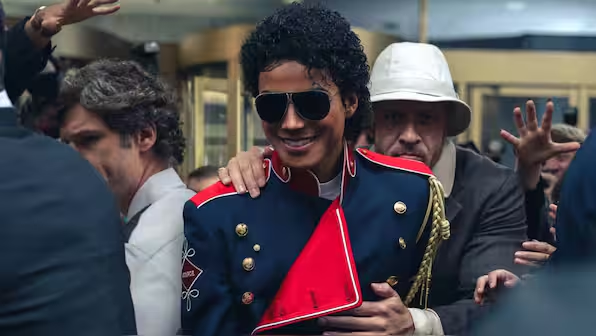
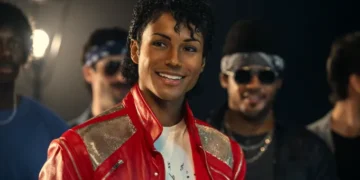
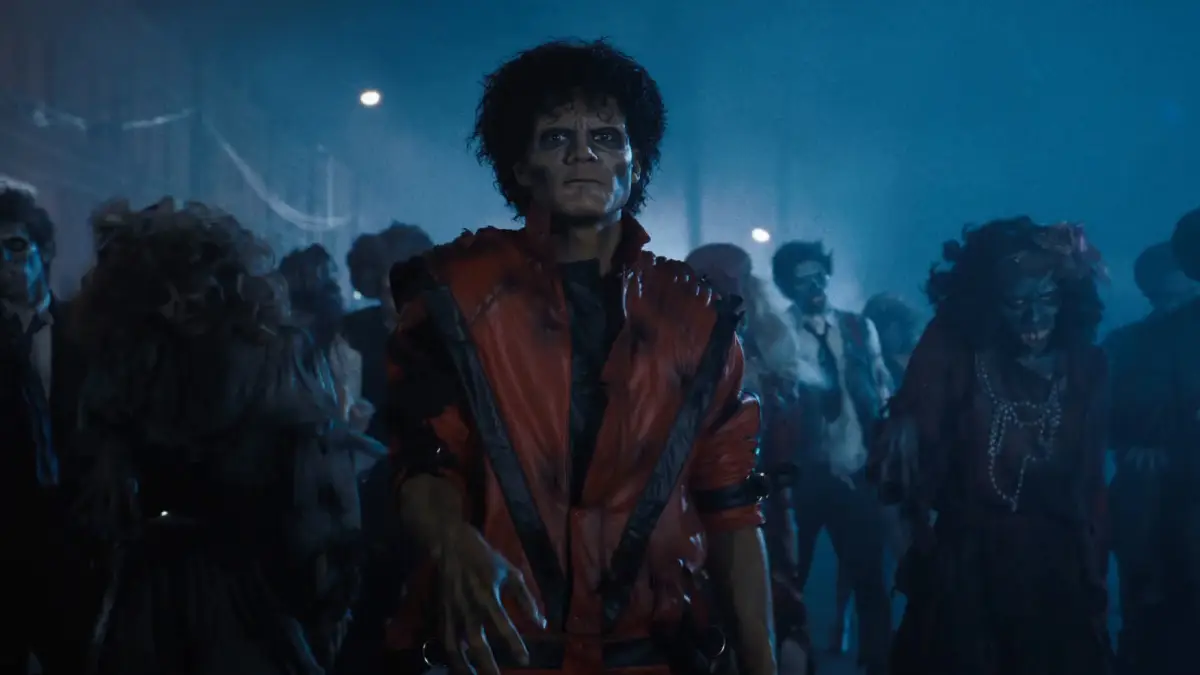
The rise of musical biopics whitewashing has reached a new peak with the release of Michael, the latest film in a long line of glossy, estate-approved tributes that prioritize ticket sales over honesty. Two outcomes were practically guaranteed the moment this Michael Jackson biopic was greenlit: it would ignite fierce debate, and it would rake in massive amounts of money. Sure enough, despite a wave of unfavorable reviews, the film still managed to score a record-shattering opening weekend, pulling in $217 million across global markets.
That outcome is no accident. It’s a textbook result of a formula that has come to define modern music biopics, where the goal is brand maintenance rather than meaningful storytelling.
A Decade of Hollow Tributes
For roughly the last ten years, audiences have been served up a steady stream of films about iconic musicians. Critics have rolled their eyes while devoted fans have shown up in droves. While biopics have rarely been known as a hotbed of cinematic innovation, this particular wave is uniquely formulaic. The lives of complex, flawed, brilliant artists are reduced to bite-sized chunks of trivia, conveniently arranged around a sequence of chart-topping songs.
Michael fits comfortably into this lineage, joining a roster of films that view facts as flexible whenever those facts threaten to upset fans or estate executives. The formula is shameless, but the steady flow of cash gives no one involved any incentive to mix things up.
The Bohemian Rhapsody Blueprint
It’s nearly impossible to watch Michael without flashing back to Bohemian Rhapsody, the wildly successful Queen biopic that pulled in over $900 million worldwide and effectively ushered in this current era. Both films share producers, and both bear the unmistakable fingerprints of the people who control their subjects’ legacies.
The Queen film was particularly egregious in how it positioned Brian May and Roger Taylor as patient saints suffering through Freddie Mercury’s unruly behavior. Mercury, played by Rami Malek in what many now consider one of the more questionable Best Actor wins of the decade, was repeatedly framed as a problem to be managed. His sexuality was painted as the source of his recklessness, and even the timing of his AIDS diagnosis was rearranged for narrative convenience.
The earlier pitch given to Sacha Baron Cohen was reportedly even worse, with Mercury dying halfway through the film and the rest devoted to the band’s emotional recovery. The version that made it to theaters was only marginally less offensive, but audiences didn’t care. They flocked to it, Queen’s catalog surged in streams and sales, and a template was born.
The Same Story, Different Stars
What followed was a parade of films built on this profitable but suffocating model:
- Rocketman, perhaps the most creative of the bunch, reframed Elton John’s life as a musical but stayed safely within the lines.
- Respect somehow rendered Aretha Franklin dull through a sluggish focus on her early career.
- I Wanna Dance With Somebody backed away from confronting the depth of Whitney Houston’s struggles.
- One Love turned Bob Marley into little more than a smiling poster image.
- Back To Black actively avoided the messiness of Amy Winehouse’s actual life.
- Springsteen: Deliver Me From Nowhere strained to manufacture drama without making its subject look bad.
A few films, like Elvis and Better Man, attempted bolder stylistic choices, but even those productions tiptoed around the more uncomfortable chapters of their subjects’ lives. The artists themselves, or the families managing their estates, consistently care more about boosting streaming numbers than telling the truth.
Michael and the Cost of Playing It Safe
Michael is dispiriting to watch, partly because of its loose grip on historical accuracy and partly because of how dismissive its director has been toward Jackson’s accusers. But the bigger issue is how proudly limited the film is. There’s no curiosity about what genuinely shaped this enormously talented but deeply troubled man into the King of Pop. The movie’s mission is simpler: deliver the hits, skip the complications.
Bob Marley: One Love followed a similar pattern. It moved through theaters quietly but profitably, dressing up Marley’s politically charged artistry as vague affirmations about standing up for one’s beliefs. Audiences learned almost nothing about what the man actually thought or fought for.
Back To Black showed similar disregard for its subject’s craft. Mark Ronson, the producer of the very album that gives the film its title, doesn’t even appear. The genuine effort behind these artists’ so-called genius is hand-waved away because acknowledging the work undermines the myth.
Selling Brand, Not Biography
The truth tends to be a downer, and downers don’t sell records. Modern estate-backed biopics exist mainly to refresh a brand and pitch it to younger fans with money to spend. Biopics have always shaved the rough edges off their subjects, going as far back as the 1946 Cole Porter film Night And Day, which pretended he was straight. But in a time when fans can verify almost anything online, this aggressive rewriting of history feels more deliberate than ever.
Back To Black sidestepped the worst of Winehouse’s addiction. One Love left out Rita Marley’s own statements about her husband’s abusive behavior. Michael required extensive reshoots to handle the 1993 child sexual abuse case, sparing audiences what could have been an outright attack on the accusers.
What Fans Actually Want
The unsettling reality is that fans love this version of the story. They don’t want to see Amy Winehouse destroyed by addiction, Elvis pursuing a teenage girl, or Bob Marley harming his wife. They prefer the polished fan fiction in their minds, which lines up neatly with what these films are selling.
As the director of Leaving Neverland once put it when asked why Jackson remains so beloved: people simply don’t care. And as long as that remains true, the formula isn’t going anywhere.