


















Trump Unveils Deal with Regeneron to Lower Drug Prices for Medicaid in Major Healthcare Push
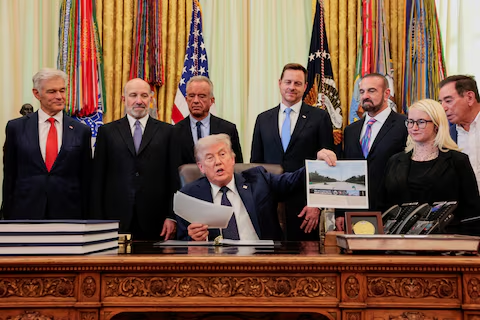
Trump unveils deal with Regeneron that could reshape how millions of Americans access prescription medications, marking yet another milestone in the White House’s ongoing campaign to bring down pharmaceutical costs. Announced Thursday from the White House, the agreement is the latest in a series of high-profile deals President Donald Trump has brokered with major drugmakers, and it arrives at a politically sensitive moment with November’s midterm elections fast approaching.
For patients, state budgets, and the broader healthcare industry, the implications are significant. But as with many of Trump’s drug pricing moves, the fine print and long-term impact remain open to debate.
What the Regeneron Deal Actually Includes
At the core of the agreement is a commitment from Regeneron to lower the cost of all its current and future drugs sold through Medicaid, the joint state and federal program that provides health coverage to low-income Americans. Beyond that, the company will also sell Praluent, a widely used cholesterol-lowering drug, for $225 on TrumpRx, the White House’s discounted drug website.
The agreement was first reported by NOTUS and later confirmed through an official White House fact sheet. In addition to the price cuts, Regeneron is pledging a major economic commitment to the United States, including:
- $27 billion in research, development, and manufacturing investment
- Continued US-based innovation in advanced therapies
- Support for domestic biotech growth
The investment component fits a familiar pattern in Trump’s drug pricing playbook, where companies often receive tariff relief and other benefits in exchange for committing to large-scale US spending.
Why This Deal Matters Politically
The timing of the announcement is anything but random. With voters consistently citing high costs for healthcare, gas, groceries, and other essentials as major sources of financial strain, the Trump administration has been leaning hard into economic relief messaging heading into the midterms.
Speaking at the White House, Trump framed the deal as a major win for American consumers, saying, “It should be front page news.” He even made a direct pitch to voters, arguing that Republicans should be rewarded at the ballot box for the string of agreements struck with drugmakers.
“We should win the midterms, but it doesn’t work that way, unfortunately,” Trump said, hinting at the political unpredictability that often comes with healthcare policy debates.
The Most-Favored-Nation Strategy Explained
The Regeneron agreement is part of a broader initiative the Trump administration calls its “most-favored-nation” approach. The basic idea is straightforward: the US should pay no more for prescription drugs than other wealthy developed countries.
Last July, Trump made waves by publicly sending letters to executives at 17 of the world’s largest pharmaceutical companies, pressuring them to come to the negotiating table. Over the following months, one by one, those companies have struck deals with the administration. Regeneron is the last of that original group to sign on, essentially completing the round of agreements Trump had set out to secure.
These most-favored-nation deals vary in their specifics but generally involve:
- Price reductions on select drugs
- Commitments to sell discounted products through TrumpRx
- Major investments in US manufacturing and research
- Relief from certain tariffs or trade pressures
Trump’s Personal Connection to Regeneron
Interestingly, Trump’s relationship with Regeneron goes back several years. During his first term, when he was hospitalized with COVID-19 in 2020, he was treated with an experimental antibody therapy being developed by the company.
After recovering, Trump posted a now-famous video standing outside the White House, enthusiastically praising Regeneron and crediting the treatment for his recovery. That personal history gives this particular deal an added layer of significance, though the administration insists the agreement stands on its own merits.
A Breakthrough Gene Therapy Enters the Picture
In a separate but related announcement, Regeneron revealed that Otarmeni, its new gene therapy for a rare form of congenital hearing loss, has received approval from the Food and Drug Administration. Perhaps more notably, the company committed to providing the therapy at no cost to clinically eligible patients in the United States.
Otarmeni received expedited approval under the FDA’s Commissioner’s National Priority Voucher program. This program has drawn attention, and not all of it positive.
Scrutiny Over the FDA Voucher Program
The Commissioner’s National Priority Voucher program, which was not authorized by Congress, has been under scrutiny from Democratic lawmakers for months. Critics in both the House and Senate have raised concerns about a pattern they see emerging, where FDA vouchers appear to be going to companies that agree to pricing concessions sought by the White House.
Supporters argue the program helps fast-track breakthrough treatments to patients who need them most. Critics worry it could create a system where regulatory decisions become entangled with political priorities. The debate is likely to continue as more deals are announced.
Details of the Deals Remain Largely Secret
One of the most persistent complaints from lawmakers has been the lack of transparency around these agreements. Despite the administration touting the deals as transformative, the actual contract details have not been made public.
When pressed by members of Congress this week, Health Secretary Robert F. Kennedy Jr. said his team would share whatever information it could, as long as doing so didn’t expose proprietary business data or trade secrets. Both Trump and Kennedy have been pushing Congress to pass legislation that would formally codify the deals into law, which could provide more durability and accountability.
When Deals Hit Roadblocks
Not every agreement has gone smoothly. Just this week, a major piece of the administration’s deals with weight-loss drugmakers Eli Lilly and Novo Nordisk ran into trouble when Medicare delayed implementation of a program that would have allowed insurers to cover popular GLP-1 drugs.
These setbacks highlight the complexity of implementing sweeping drug pricing changes, particularly when multiple government agencies, insurers, and pharmaceutical companies all need to be in alignment.
What It Means for Medicaid Patients
For patients enrolled in Medicaid, the immediate impact of the Regeneron deal may be more modest than the headlines suggest. Medicaid beneficiaries already pay only a nominal co-payment, often just a few dollars, to fill prescriptions. The bigger winners in terms of direct financial impact are likely state budgets, which share the cost of funding Medicaid programs with the federal government.
Lower drug prices mean:
- Reduced spending pressure on state Medicaid budgets
- More room for states to expand coverage or services
- Potential long-term sustainability improvements for the program
- Indirect benefits to taxpayers who fund the system
Still, the symbolic importance of a major drugmaker publicly committing to lower Medicaid prices should not be underestimated.
The Bigger Picture on US Drug Prices
Drug pricing in the United States has long been a source of frustration for consumers, lawmakers, and healthcare advocates. Prices can vary widely depending on factors like:
- The level of competition a drug faces
- Type and extent of insurance coverage
- Negotiated rebates and discounts
- Whether the patient uses Medicaid, Medicare, private insurance, or pays cash
While most Americans have some form of coverage that shields them from the full sticker price of medications, millions still struggle with high out-of-pocket costs. That reality has made drug pricing a politically potent issue for both parties, though the solutions they propose often differ dramatically.
What to Watch Going Forward
As the Regeneron deal begins to take effect, several questions will shape the road ahead:
- Will the most-favored-nation framework hold up to legal and regulatory challenges?
- Can Congress be persuaded to codify these deals into permanent law?
- How will other pharmaceutical companies respond as the precedent grows?
- Will patients actually see meaningful savings in their day-to-day healthcare costs?
- How will the political messaging around drug pricing influence the midterm elections?
Each of these questions carries major implications for the future of American healthcare policy.
Final Thoughts
Trump unveils deal with Regeneron at a moment when drug pricing, political strategy, and healthcare innovation are colliding in high-profile ways. The agreement brings meaningful price reductions to Medicaid, expands access to a groundbreaking gene therapy, and underscores the administration’s continued push to use its leverage with pharmaceutical giants.
Whether these deals will transform the American drug pricing landscape or simply serve as political talking points depends on how they’re implemented, enforced, and expanded in the months ahead. For now, patients, state governments, and the pharmaceutical industry alike will be watching closely as the ripple effects begin to unfold.
One thing is clear: the conversation about drug prices in America is far from over, and deals like this one will keep shaping it for years to come.