

















Rectal Cancer Deaths in Young Adults Are Rising Fast, New Upstate Study Warns
A troubling new study from SUNY Upstate Medical University in Syracuse is sounding the alarm about a growing health crisis among younger adults. Researchers have found that deaths from rectal cancer are climbing sharply in people under 50, and the trend is accelerating at a pace that’s catching medical experts off guard. If current patterns hold, rectal cancer could soon become the leading cause of cancer-related deaths in younger adults.
Here’s what the study found, what it means, and why this issue deserves everyone’s attention.
What the Study Reveals
The research, led by Dr. Mythili Menon Pathiyil, a gastroenterology fellow at Upstate Medical University, has uncovered a striking pattern. The rate of rectal cancer is increasing two to three times faster than colon cancer among younger adults. If the current trajectory continues, rectal cancer is projected to surpass colon cancer as the top cause of cancer deaths in people under 50 by 2035.
That’s a dramatic shift, and it’s forcing the medical community to rethink assumptions about who gets cancer and when.
The study hasn’t been published in a peer-reviewed journal yet, but it is set to be presented at a national gastroenterology meeting in May. The findings line up closely with recent data published by the American Cancer Society, which reported that nearly half of all new colorectal cancer cases are now occurring in adults under 65, largely driven by a surge in rectal cancer cases.
A Disease That’s No Longer Just for Older Adults
For decades, colorectal cancer was widely considered a disease of older adults. Screening programs targeted people in their 50s and beyond, and rates steadily declined thanks to improvements in detection and the removal of precancerous polyps. But that story has changed.
As Dr. Pathiyil put it, colorectal cancer can no longer be thought of as primarily affecting older populations. Rectal cancer in particular has become a serious and growing concern among younger individuals, and experts say early action is critical to reverse the trend.
The shift has become so noticeable that high-profile cases have brought new attention to the issue. Actor Chadwick Boseman, known for his iconic role in Black Panther, died of colon cancer at just 43. Dawson’s Creek star James Van Der Beek was diagnosed with colorectal cancer at 48. These very public stories have helped spark wider conversations, but the science shows the problem runs much deeper than a few celebrity cases.
Understanding Rectal Cancer
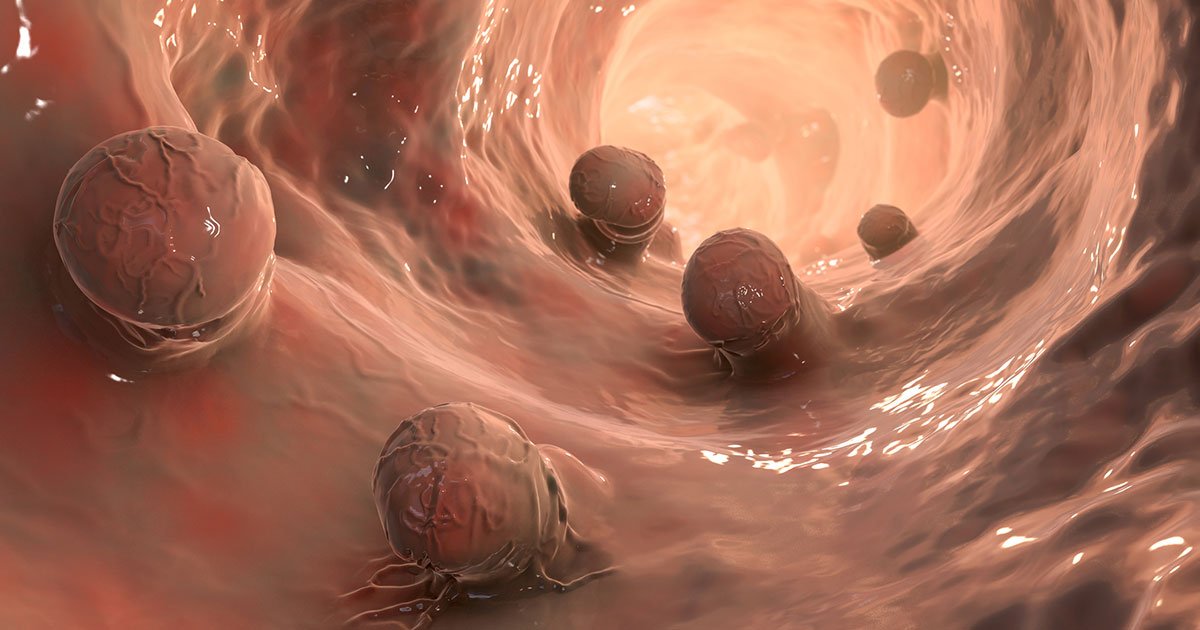
Colon cancer and rectal cancer are often grouped together under the umbrella term “colorectal cancer” because they are similar in many ways. However, they start in different parts of the digestive system. According to the Mayo Clinic, rectal cancer begins as a growth of cells in the rectum, which is the last several inches of the large intestine, ending at the anus.
The tricky thing about rectal cancer is that it often doesn’t cause noticeable symptoms in its early stages. When symptoms do appear, they can include:
- Changes in bowel habits
- Abdominal pain
- Rectal bleeding
- Unexplained weight loss
- Fatigue or weakness
- A lump in the rectum detected during a medical exam
Because these symptoms can be easily mistaken for less serious conditions, many young adults don’t realize anything is wrong until the disease is in a more advanced stage.
The Hard Numbers
The scope of the problem becomes clearer when you look at the numbers. The American Cancer Society estimates that around 108,860 new cases of colon cancer and 49,990 new cases of rectal cancer will be diagnosed in the United States this year alone.
More than one in three patients diagnosed with these cancers will die from the disease. Even more concerning, death rates among people under 55 have been rising by about 1 percent every year since the mid-2000s. That might sound like a small increase on paper, but in a field where rates were previously declining, it’s a significant and worrying reversal.
Dr. Pathiyil’s research specifically examined U.S. Centers for Disease Control and Prevention death records from 1999 through 2023 for people aged 20 to 44. The data showed that deaths from early-onset colorectal cancer increased throughout that period, with rectal cancer deaths accelerating up to three times faster than those from colon cancer.
Why Is This Happening?
One of the biggest questions surrounding this rise in cases is: why? The honest answer is that researchers don’t have a clear explanation yet. The increase is most notable among millennials, born between 1981 and 1996, and younger members of Gen X. Theories range from changes in diet and lifestyle to environmental exposures and shifts in gut health, but nothing has been conclusively identified as the primary driver.
Some factors that may be contributing include:
- Higher rates of obesity and sedentary lifestyles
- Increased consumption of processed foods and red meat
- Changes in the gut microbiome due to diet and medication use
- Lower levels of physical activity
- Environmental toxins and exposures
- Possible genetic or generational factors still being studied
Whatever the cause, the numbers are undeniable, and the medical community is pushing for more research to uncover the root reasons.
Why Early Detection Matters So Much
One of the most sobering statistics from Dr. Pathiyil’s research is this: about 75 percent of individuals under 50 who are diagnosed with colorectal cancer are diagnosed at an advanced stage. That late-stage diagnosis is a major reason why mortality rates are rising. Cancer caught early can often be successfully treated. Cancer caught late is far more difficult to manage.
As Dr. Pathiyil emphasized, colorectal cancer can be curable if detected early. That’s why screening, awareness, and paying attention to your body matter so much.
What You Can Do
Here are some practical steps that can help reduce your risk and catch any potential issues early:
- Get screened. Colonoscopies are typically recommended starting at age 45. If you have a family history of colorectal cancer or any concerning symptoms, talk to your doctor about getting screened earlier.
- Pay attention to symptoms. Don’t ignore persistent changes in bowel habits, unexplained weight loss, fatigue, or rectal bleeding. These warrant a conversation with your healthcare provider.
- Know your family history. Having a relative with colorectal cancer can significantly increase your risk, and early screening may be recommended.
- Focus on a gut-friendly diet. High-fiber foods, vegetables, fruits, and whole grains have been linked to better digestive health.
- Stay active. Regular exercise has been shown to help reduce the risk of colorectal cancer.
- Limit processed meats and alcohol. Both have been linked to higher cancer risks.
- Avoid smoking. Tobacco use is associated with a wide range of cancers, including colorectal cancer.
Treatment Options Available Today
If colorectal cancer is diagnosed, treatment options have come a long way in recent years. Depending on the stage and specifics of the cancer, treatment may include:
- Surgery to remove the tumor
- Chemotherapy to kill cancer cells throughout the body
- Radiation therapy to target specific areas
- Immunotherapy, which uses the immune system to fight cancer
Advances in targeted therapies and early detection techniques are giving patients more options and better outcomes than ever before, especially when the cancer is caught in its earlier stages.
A Call for Greater Awareness
The rise of rectal cancer in younger adults is a wake-up call, not just for the medical community but for everyone. Too many young people dismiss symptoms, assume they’re too healthy to have cancer, or delay seeing a doctor out of embarrassment or inconvenience. That hesitation can be the difference between a curable diagnosis and a life-threatening one.
Conversations about bowel health can feel awkward, but they’re essential. If something feels off, it’s always better to ask your doctor than to wait and hope it goes away.
The Road Ahead
Researchers like Dr. Pathiyil are pushing to better understand what’s driving this alarming trend. More studies are needed to identify the specific causes, improve screening methods, and develop earlier detection strategies that can save lives. In the meantime, education and awareness remain some of the most powerful tools we have.
If the projections hold true and rectal cancer becomes the leading cause of cancer deaths in people under 50 by 2035, it will represent a massive shift in how we approach cancer prevention and care. That future isn’t inevitable, but reversing the trend will require action on multiple fronts: research, screening, public awareness, and individual vigilance.
Final Thoughts
The findings from SUNY Upstate Medical University offer a sobering look at how rectal cancer is quietly reshaping the landscape of cancer care. What was once seen as an older person’s disease is now striking people in their 20s, 30s, and 40s at increasing rates. The good news is that early detection and timely treatment can dramatically improve outcomes. The bad news is that too many young people are being diagnosed far too late.
If you’re in your 30s or 40s and feeling invincible, this research is a gentle but firm reminder that health isn’t guaranteed at any age. Listen to your body, don’t ignore persistent symptoms, and have open conversations with your doctor. It might just save your life.
This article is for informational purposes only and should not be considered a substitute for professional medical advice. If you’re concerned about colorectal cancer or experiencing symptoms, please consult a qualified healthcare provider.