



















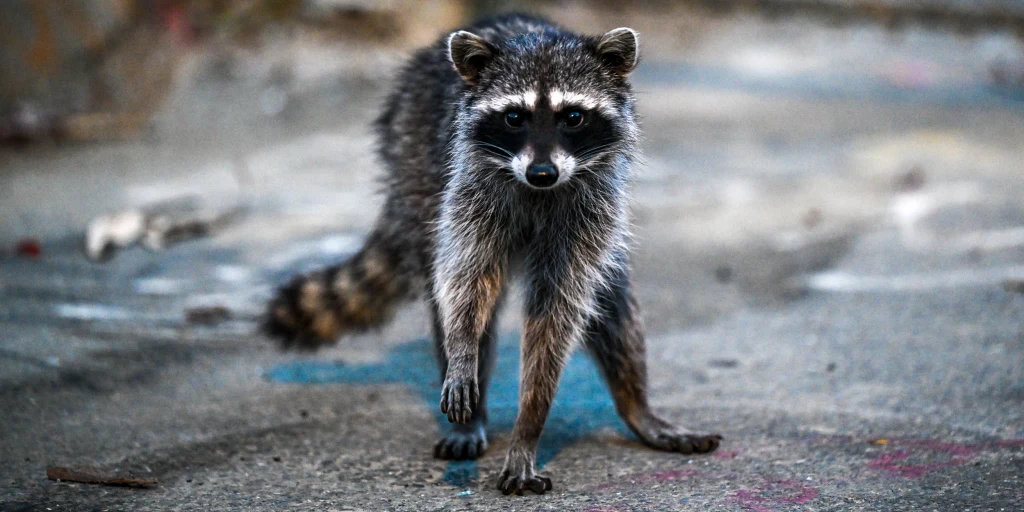
Rhode Island Rabies Outbreak: Six Animals Confirmed Positive as Officials Warn Residents
The Rhode Island rabies outbreak has prompted urgent warnings from state and local health officials, with at least six animals testing positive for the deadly virus over the past six weeks. The recent surge in confirmed cases has authorities reminding pet owners across the state to ensure their animals are properly vaccinated and to take precautions when encountering wildlife.
While rabies cases do appear from time to time in Rhode Island, the cluster of recent positive tests has raised concern among public health officials and animal control agencies. Here’s what’s happening, where the cases have been found, and what residents need to know to keep themselves and their pets safe.
The Confirmed Cases So Far
According to the Rhode Island Department of Health, six animals have tested positive for rabies since March 12. The cases include:
- Three raccoons in Burrillville
- One raccoon in Providence
- One bat in Lincoln
- One coyote in Lincoln
In addition to these confirmed cases, a raccoon from North Smithfield is currently being tested for the virus. The geographic spread of these cases — covering multiple towns in the northwestern and central portions of the state — has officials urging vigilance across a wide area.
Burrillville Animal Control reported that the three raccoons in their jurisdiction were found within the past 30 days. Each raccoon came from a different village in Burrillville: Glendale, Mapleville, and Pascoag. This pattern suggests rabid animals are circulating throughout the area rather than being isolated to a single location.
The good news is that all pets involved in encounters with these rabid animals were already vaccinated. As a precautionary measure, those pets received booster shots to maximize their protection against the virus.
Why Rabies Is So Serious
For those unfamiliar with the threat rabies poses, it’s worth understanding why health officials take cases so seriously. Rabies is a viral disease that affects the nervous system of mammals, including humans. Once symptoms appear, the disease is almost universally fatal.
The virus is typically transmitted through the saliva of infected animals, usually via bites. Even scratches from infected animals can sometimes transmit the disease if their saliva is on the claws.
The good news is that rabies is preventable. With proper vaccination of pets and prompt medical treatment for humans potentially exposed, deaths from the disease are rare in the United States. However, that requires people to recognize the risks and take appropriate action.
Which Animals Carry Rabies?
In Rhode Island, several wild animal species are known to carry the rabies virus. Health officials list the following as potential carriers:
- Bats
- Beavers
- Coyotes
- Foxes
- Groundhogs
- Raccoons
- Skunks
Of these, raccoons and bats are the most commonly encountered carriers in residential areas. Raccoons in particular are well-adapted to suburban and urban environments, making encounters with humans and pets more likely.
Bats present a particularly tricky challenge because their bites can be so small they often go unnoticed. If you wake up to find a bat in your bedroom, even if you don’t think you were bitten, health officials recommend treating the situation as a potential exposure.
Protecting Your Pets
The Rhode Island Department of Health has issued comprehensive guidance for pet owners to minimize rabies risk. Some of the most important recommendations include:
Make sure all dogs, cats, and ferrets are current on their rabies vaccinations. This is the single most important step pet owners can take. Vaccinated pets that have potential exposure to rabid animals can be safely managed with booster shots, while unvaccinated pets face much more serious consequences.
Avoid all contact with stray or free-roaming domestic animals. Even friendly-looking strays could carry diseases, and they may not have the supervision needed to identify behavioral changes that signal illness.
Don’t feed wild animals or allow contact between wild animals and your pets. Feeding wildlife — even with good intentions — concentrates animals in residential areas and increases the risk of disease transmission.
Avoid feeding your pets outdoors. Outdoor food bowls attract wild animals, particularly raccoons, skunks, and other potential rabies carriers. This creates dangerous opportunities for contact between your pets and wildlife.
Maintain control of your pets at all times. Walk dogs on leashes, allow them to play only in fenced yards, and don’t let any pets wander unsupervised. Free-roaming pets are far more likely to encounter rabid wildlife.
Report all animal bites to your local animal control officer. Even if the bite seems minor, reporting helps officials track potential exposures and identify problem animals.
Secure your trash. Use covered garbage cans to prevent wild animals from scavenging for food in residential areas. Easy access to trash is a major factor in attracting raccoons and other potential carriers to neighborhoods.
A Note About Livestock
While dogs, cats, and ferrets are the only household animals legally required to be vaccinated against rabies in Rhode Island, Burrillville Animal Control is also encouraging residents who keep livestock to consider vaccinating them as well.
Horses, cattle, and other livestock can contract rabies, and the consequences can be devastating both emotionally and financially. Talking with a veterinarian about livestock vaccination options is a wise step for anyone keeping these animals.
What to Do If You See an Erratic Wild Animal
One of the warning signs of rabies is unusual behavior in wild animals. Animals that are normally nocturnal might appear during daylight hours. Wild animals that typically avoid humans might approach people without fear. Aggressive behavior, difficulty walking, or apparent disorientation are all potential signs of rabies.
If you see a wild animal behaving strangely, do not approach it. Instead, call your local animal control office and let trained professionals handle the situation. Attempting to deal with a potentially rabid animal yourself puts you at serious risk.
Keep children and pets away from any wildlife showing unusual behavior, even if the animal seems harmless or sympathetic. Animals in the late stages of rabies can sometimes appear weak or confused, which might prompt well-meaning people to try to help. This is exactly the wrong response.
Critical Steps If You’re Exposed
If you believe you may have been exposed to a potentially rabid animal, time is of the essence. The actions you take in the immediate aftermath of exposure can be the difference between life and death.
Wash any bite or scratch wound thoroughly with soap and water for at least 15 minutes. This thorough cleaning can significantly reduce the viral load and improve your chances of avoiding infection. Don’t skimp on the time — a quick rinse isn’t enough.
After cleaning the wound, seek medical attention immediately. Post-exposure prophylaxis, which involves a series of shots, is highly effective when administered promptly. The treatment has improved dramatically over the years and is far less painful than the older protocols you may have heard about.
Contact the Rhode Island Center for Acute Infectious Disease Epidemiology at (401) 222-2577 during weekday business hours (8:30 a.m. to 4:30 p.m.). For exposures occurring outside these hours, call (401) 276-8046.
If you wake up to find a bat in your bedroom, treat this as a potential exposure even if you don’t see any bite marks. Bats have such small teeth that bites can be invisible, but the virus can still be transmitted. Contact health officials right away to discuss whether post-exposure treatment is appropriate.
What If Your Pet Is Exposed?
If you suspect your pet has had contact with a potentially rabid animal, immediate action is required. Contact both the Rhode Island Department of Health and your local animal control office as soon as possible.
The protocol depends on whether your pet is currently vaccinated. Vaccinated pets typically receive a booster shot and may need to be observed for a period. Unvaccinated pets face much more serious consequences, potentially including extended quarantine or even euthanasia depending on the circumstances.
This underscores once again why keeping pets vaccinated is so critical. The cost of regular vaccinations is minimal compared to the potential consequences of an unvaccinated pet being exposed to rabies.
Free or Low-Cost Vaccination Options
For Rhode Island residents who need to update their pets’ rabies vaccinations, Burrillville Animal Control has announced a rabies clinic this Sunday, April 26. The clinic will be held at 14 Chestnut Street in Blackstone.
The schedule is divided to manage different types of pets:
- Cats will be vaccinated from 9 a.m. to 10 a.m.
- Dogs will be vaccinated from 10 a.m. to noon (note: the original announcement listed “10 p.m.” but this appears to be a typo for 10 a.m.)
The vaccination cost is $20 cash, which is significantly less expensive than typical veterinary visits. All Rhode Island residents are welcome to attend, regardless of whether they live in Burrillville.
Clinics like these provide an affordable option for pet owners who may have fallen behind on their pets’ vaccinations or for those who want to ensure their animals are fully protected.
Why Vaccination Is Essential
If you needed any additional motivation to keep your pets vaccinated, the recent rabies cases provide it. Vaccinated pets that encounter rabid animals can typically be protected with prompt booster shots and observation. Unvaccinated pets face much grimmer outcomes.
Beyond your own pets’ welfare, vaccinated pets also protect public health by serving as a buffer between wild rabies carriers and human populations. The widespread vaccination of pets has been one of the most successful public health initiatives in modern history, dramatically reducing human rabies deaths in the United States.
Living With Wildlife
Rhode Island, like many states, is home to abundant wildlife that often coexists with human populations. Raccoons, skunks, foxes, and other animals frequently move through residential areas, particularly at night. While most of these animals don’t carry rabies, the potential always exists.
Living responsibly alongside wildlife means taking practical steps to minimize unwanted interactions. This includes:
- Not leaving pet food outside
- Securing garbage tightly
- Removing potential den sites from your property when possible
- Keeping pets indoors at night
- Educating children about not approaching wild animals
These habits not only reduce rabies risk but also minimize property damage, conflicts, and other wildlife-related problems.
Stay Informed
The Rhode Island Department of Health regularly updates the public about rabies cases and other public health concerns. Following local news sources and the department’s announcements can help you stay aware of any emerging risks in your area.
If you live in Burrillville, Lincoln, Providence, North Smithfield, or any of the surrounding towns, paying particular attention to local wildlife behavior right now is wise given the recent cluster of cases. Report any suspicious animal behavior to authorities promptly.
Final Thoughts
The Rhode Island rabies outbreak with six confirmed cases in six weeks serves as an important reminder that rabies remains a real threat in our communities. While public health measures have made rabies relatively rare among humans in the United States, the virus persists in wildlife populations and continues to pose risks to unvaccinated pets and unsuspecting people.
The good news is that prevention works. Keeping pets vaccinated, avoiding contact with wildlife, securing trash, and responding appropriately to potential exposures can all dramatically reduce the risk of rabies infection. The vaccination clinic this Sunday provides an affordable opportunity for Rhode Islanders to ensure their pets are protected.
For now, the message from health officials is clear — be aware, be cautious, and take the necessary steps to protect yourself, your family, and your pets. By following the guidance and staying vigilant, residents can navigate this current uptick in cases safely. And if you suspect any kind of exposure, don’t hesitate. Quick action saves lives when it comes to rabies.