



















Russia Progress 95 Launch: Successful Liftoff Sends 3 Tons of Supplies to International Space Station
The Russia Progress 95 launch successfully sent another robotic cargo freighter rocketing toward the International Space Station today, continuing the steady stream of supply missions that keep astronauts living and working in low Earth orbit. The mission represents Russia’s second Progress flight of 2026 and demonstrates the continued reliability of one of spaceflight’s longest-running cargo programs despite ongoing geopolitical complexities affecting international space cooperation.
The Liftoff Details
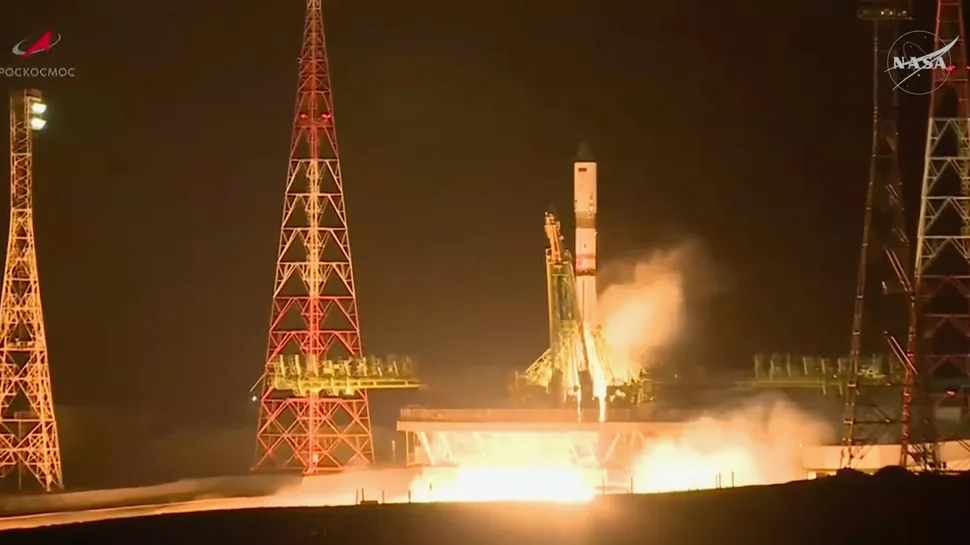
A Soyuz rocket carrying the Progress 95 freighter blasted off from Baikonur Cosmodrome in Kazakhstan today at 6:21 p.m. EDT, which translated to 3:21 a.m. local time on April 26 at the launch site. The successful liftoff added another chapter to the storied history of Soviet-era and Russian space hardware that has been delivering supplies to orbital stations for decades.
The robotic spacecraft is hauling approximately three tons of essential cargo, including food, propellant, and various other supplies needed by the crew currently living aboard the International Space Station. That payload represents a significant resupply that will keep operations running smoothly for the coming weeks and months.
Docking Plans
Progress 95 won’t reach its destination immediately. The freighter is scheduled to dock with the orbiting laboratory on Monday, April 27, at approximately 8 p.m. EDT. That gives flight controllers time to verify all spacecraft systems are functioning properly while gradually maneuvering the cargo ship into position for safe approach and connection.
Once docked, the crew will begin the methodical process of unloading supplies and stowing the various items in their appropriate locations throughout the station. The propellant aboard the spacecraft also gets transferred to the station’s tanks, providing fuel for orbital reboost maneuvers and other operational needs.
The Second Mission of 2026
Today’s flight kicked off the second Progress resupply mission of the year. Progress 94 lifted off from Baikonur back on March 22, reaching the ISS just two days after launch despite encountering technical complications during its journey. That earlier mission had to overcome the failed deployment of one of its docking antennas, requiring careful work by ground controllers and the spacecraft’s automated systems to complete the rendezvous safely.
Progress 94 remains attached to the station, demonstrating how multiple cargo vehicles can simultaneously support ISS operations. Progress 95 will dock to the port previously occupied by Progress 93, which departed on April 20 specifically to make room for today’s new arrival.
The End of Progress 93
Progress 93’s departure followed the standard procedure for these expendable cargo craft. The spacecraft was deliberately deorbited and burned up in Earth’s atmosphere over the Pacific Ocean, the typical fate awaiting all Progress vehicles once their missions conclude. While this destructive ending might seem wasteful, it represents the most practical disposal method for spacecraft that aren’t designed to survive atmospheric reentry.
Progress 95 will eventually meet a similar fate roughly seven months from now, when its current mission concludes and it gets loaded with trash and other unwanted materials before being deorbited to burn up safely over remote ocean areas.
Understanding the Progress Program
For those unfamiliar with this venerable spacecraft family, Progress vehicles trace their lineage back to the Soviet space program. The basic design has been continuously refined over decades while maintaining the core architecture that has proven so reliable for delivering supplies to space stations.
Each Progress mission follows a similar pattern:
- Launch from Baikonur atop a Soyuz rocket
- Automated rendezvous and docking with the space station
- Cargo unloading by crew members over weeks or months
- Loading with waste materials before departure
- Controlled atmospheric reentry over the Pacific Ocean
This well-established workflow has been refined through dozens of successful missions, making Progress one of the most predictable and reliable elements of ISS operations.
The Cargo Vehicle Ecosystem
Progress represents just one of four cargo spacecraft currently resupplying the International Space Station. The complete fleet includes:
- Progress from Russia’s Roscosmos space agency
- HTV-X from Japan’s space agency
- Cygnus from Northrop Grumman
- Dragon from SpaceX
Each vehicle brings different capabilities and serves somewhat different mission profiles, providing the ISS program with redundancy and flexibility. If problems develop with one cargo provider, the others can adjust their schedules to maintain consistent supply flow to the station.
The SpaceX Dragon Difference
While most cargo vehicles operate as expendable craft that burn up in the atmosphere after their missions, SpaceX’s Dragon capsule represents a notable exception. Like its astronaut-carrying counterpart Crew Dragon, the cargo Dragon makes parachute-aided ocean splashdowns at the conclusion of its missions.
This reusability provides significant advantages. Dragon can return scientific samples, hardware, and other materials to Earth in conditions that wouldn’t survive the destructive reentry process other cargo vehicles experience. Researchers benefit enormously from getting actual samples back rather than just data transmitted from orbit.
Why Resupply Missions Matter
The Progress 95 mission and its counterparts perform absolutely essential functions for keeping humans living continuously in space. Without regular cargo deliveries, the International Space Station would quickly become uninhabitable as supplies depleted and various systems lost their consumables.
Each mission brings:
- Food sufficient to feed multiple astronauts for weeks
- Water and other essential consumables
- Scientific equipment for ongoing research projects
- Replacement hardware for systems requiring maintenance
- Personal items and equipment requested by individual crew members
- Propellant for keeping the station in proper orbit
The cumulative impact of these regular deliveries enables the continuous human presence in space that has been maintained aboard the ISS for over two decades.
The Geopolitical Context
Russian space cooperation with the United States and other ISS partners has continued despite significant geopolitical tensions on Earth. The Progress program represents one of the more visible examples of this ongoing collaboration, with American astronauts and Russian cosmonauts working together aboard a station supplied by vehicles from multiple nations.
This cooperation has remained remarkably stable through various political crises, demonstrating both the practical interdependence of ISS partners and the institutional momentum of established space programs. Whether this collaboration continues indefinitely remains genuinely uncertain, but for now, the supply missions keep flowing on schedule.
What Comes After ISS
The International Space Station won’t operate forever. Current planning calls for the orbital laboratory to be deorbited around 2030, after which various commercial space stations and other facilities will likely take over the role of hosting astronauts in low Earth orbit. The Progress program’s future depends partly on how Russia participates in these next-generation space infrastructure plans.
For now, missions like Progress 95 represent essential continuity in human spaceflight, maintaining capabilities that took decades to develop while bridging toward whatever comes next in human space exploration.
The Astronauts Awaiting Their Supplies
Aboard the International Space Station, the current crew members are looking forward to receiving their fresh supplies. Cargo missions provide tangible reminders of connection to Earth, particularly when they include personal items and special treats that supplement the standard astronaut diet.
Crew members have described in past interviews how cargo arrivals create something almost like holiday excitement aboard the station. After weeks or months of using whatever supplies arrived in previous missions, getting fresh deliveries provides genuine variety and renewal of essential resources.
The Soyuz Rocket Legacy
The Soyuz rocket that propelled Progress 95 toward orbit represents one of the most successful launch vehicles in spaceflight history. The basic design dates back to the early Soviet space program, with continuous refinements making it remarkably reliable for both crewed and uncrewed missions.
The cumulative experience of thousands of Soyuz launches makes each mission more predictable than newer rocket designs, even those from highly capable modern aerospace companies. That reliability has earned the Soyuz family a permanent place in spaceflight operations regardless of how the broader rocket industry continues evolving.
Looking Forward
Progress 95’s successful launch maintains the steady drumbeat of cargo missions that has characterized ISS operations for decades. Future flights will continue at regular intervals, with each Progress, Cygnus, HTV-X, and Dragon delivery contributing to the operational sustainability of humanity’s continuous presence in space.
For space enthusiasts following these missions, each cargo flight provides another data point demonstrating how routine spaceflight has become while also reminding us how technically challenging these operations remain. Successfully launching three tons of cargo into precise orbit and rendezvousing with another spacecraft traveling at orbital velocities represents extraordinary engineering accomplishment, even when it happens routinely.
Final Thoughts on the Russia Progress 95 Launch
The Russia Progress 95 launch demonstrates that even amid global complexities, certain forms of international space cooperation continue functioning effectively. The successful liftoff and pending docking represent both a routine operational success and a meaningful contribution to ongoing scientific work being conducted aboard the International Space Station.
For the astronauts awaiting their supplies, Monday’s docking will bring welcome resources and connection to Earth. For the broader space community, the mission represents another successful chapter in the long-running story of robotic cargo delivery that has enabled human spaceflight to continue uninterrupted for over two decades. The next Progress mission will follow within months, continuing a tradition of reliable space logistics that few modern technological achievements can match.