
















Sam Altman Canada School Shooter Apology Raises Critical Questions About AI and Public Safety
The Sam Altman Canada school shooter apology has thrust OpenAI back into the center of difficult conversations about artificial intelligence, public safety, and corporate responsibility. The CEO of one of the world’s most influential AI companies has issued a deeply emotional apology to a Canadian community devastated by a mass shooting earlier this year, acknowledging that his company failed to alert law enforcement about the perpetrator’s ChatGPT account before the tragedy occurred.
This apology, delivered through a letter shared publicly by British Columbia Premier David Eby, raises troubling questions about how AI companies handle warning signs from their users and what responsibilities they bear when their platforms intersect with potential violence. It’s a story that goes beyond a single tragedy to touch on fundamental questions about the future of AI accountability.
The Tragedy in Tumbler Ridge
To understand the gravity of Altman’s apology, it’s important to remember what happened in Tumbler Ridge, British Columbia, on February 10. The small northeast British Columbia community was devastated when 18-year-old Jesse Van Rootselaar carried out one of the worst mass shootings in Canadian history.
Six people were fatally shot at Tumbler Ridge Secondary School when Van Rootselaar opened fire on the campus. The violence didn’t end there. The shooter’s mother and 11-year-old brother were also killed at a nearby residence. In total, eight innocent lives were lost that day. Van Rootselaar himself died of a self-inflicted gunshot wound, leaving authorities to piece together the warning signs that had been missed.
For a small community like Tumbler Ridge, the loss is incalculable. Eight deaths in such a tight-knit area touches virtually everyone, leaving wounds that will take years if not decades to begin healing. The community has been seeking answers about how something this horrific could happen and what could have been done to prevent it.
Altman’s Public Apology
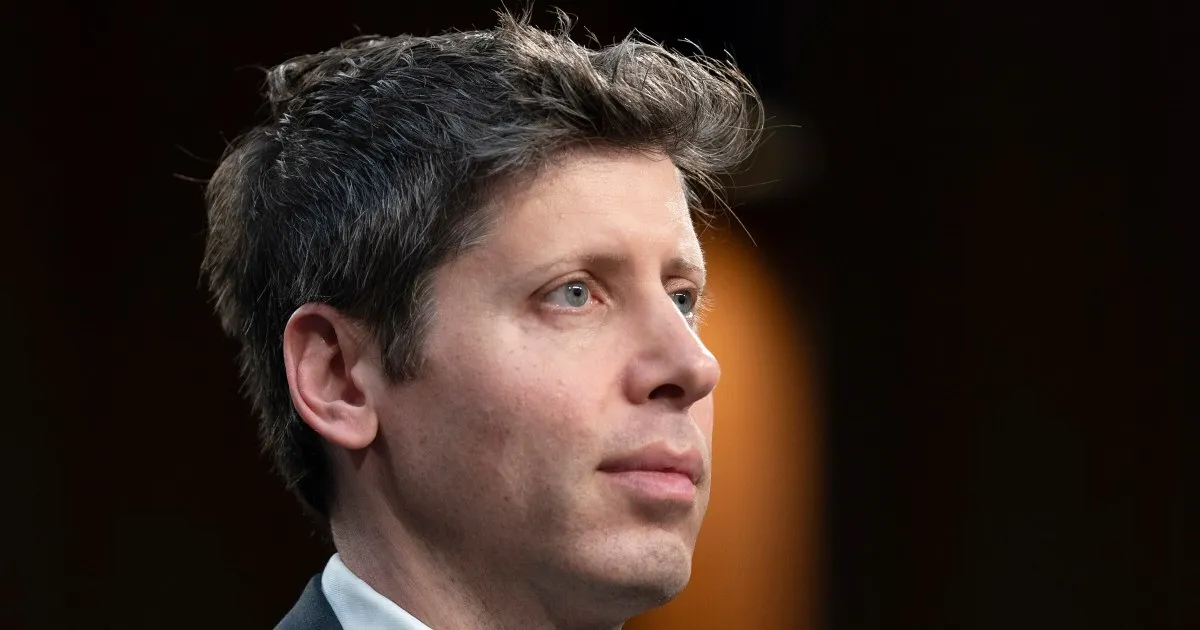
In a letter dated Thursday and shared on social media on Friday by Premier Eby, Sam Altman addressed the Tumbler Ridge community directly. The OpenAI CEO acknowledged the unimaginable pain the community has endured and expressed that he had been thinking of those affected often over the past few months.
The most striking part of Altman’s letter was his explicit apology for OpenAI’s failure to act. He stated that he was deeply sorry the company did not alert law enforcement to Van Rootselaar’s account, which had been banned in June 2025 — approximately eight months before the February shooting.
This admission is significant. It’s rare for a CEO of a major technology company to publicly accept responsibility this directly, particularly when doing so could expose the company to legal and reputational consequences. Altman’s willingness to apologize personally and publicly speaks to the gravity with which he views the situation.
He concluded the letter by expressing his deepest condolences to the entire community and emphasizing that no one should ever have to endure a tragedy like this.
What OpenAI Knew Before the Shooting
The timeline of what OpenAI knew and when becomes critically important in understanding this story. Back in February, OpenAI told CBS News that Van Rootselaar’s account had been flagged in 2025 by the company’s automated abuse detection tools and human investigators who specifically identify potential misuses of ChatGPT for violent activities.
After this flagging process, the account was banned for violating OpenAI’s usage policies. However, the company has acknowledged that it weighed whether to alert law enforcement at that time and determined that the case did not meet the threshold for referral. OpenAI’s standard at the time required that an account pose an imminent and credible risk of serious physical harm to others before being referred to police.
Looking back, this judgment call appears tragic in hindsight. The shooter had concerning interactions with the AI system substantial enough to warrant a permanent ban from the platform, yet the threat was deemed insufficient for law enforcement notification. Eight months later, eight people were dead.
OpenAI’s Response After the Shooting
Following the February tragedy, OpenAI issued a statement to CBS News expressing condolences to those affected by the Tumbler Ridge tragedy. The company noted that it had proactively reached out to the Royal Canadian Mounted Police with information about Van Rootselaar and his use of ChatGPT, pledging to continue supporting the investigation.
While this post-incident cooperation is appropriate, it doesn’t address the fundamental question of why the alert didn’t happen earlier when it might have made a difference. The shooter’s ChatGPT activity had been concerning enough to trigger automated detection systems and lead to a ban, but not concerning enough — in OpenAI’s judgment at the time — to warrant law enforcement involvement.
This gap between internal company action and external safety notification represents one of the central challenges facing AI companies today. They have unprecedented insight into user behaviors and potential threats, but the protocols for translating that insight into public safety action are still being developed.
How ChatGPT Handles Threats
OpenAI has explained that ChatGPT is trained to discourage real-world harm and is programmed to refuse assistance when it detects illicit intent. The company has multi-layered safety systems, including:
- Automated detection tools that scan for problematic content and behaviors
- Human reviewers who evaluate flagged interactions
- Escalation procedures for cases that appear to pose imminent threats
- Account banning for users who violate usage policies
- Direct outreach to law enforcement in cases meeting specific thresholds
These systems represent serious investments in safety, but the Tumbler Ridge case reveals their limitations. When a user is concerning enough to be banned but the company still doesn’t notify authorities, dangerous warning signs can fall through the cracks.
The fundamental challenge is calibration. Set the threshold for law enforcement notification too low, and you flood police with reports about people who were merely venting or expressing dark thoughts without any real intent to act. Set it too high, and you miss genuine warning signs that could prevent tragedies. Finding the right balance is incredibly difficult, and the Tumbler Ridge case suggests OpenAI’s threshold may have been set too high.
A Pattern of Concerning Cases
The Tumbler Ridge tragedy isn’t the only case raising questions about how OpenAI handles potentially dangerous users. Earlier this week, Florida Attorney General James Uthmeier announced a criminal investigation into OpenAI after reviewing messages between ChatGPT and a Florida State University student accused in an April 2025 campus shooting that killed two people and wounded several others.
According to Uthmeier, his team determined that ChatGPT offered “significant advice” to the alleged shooter before the attack. His office is now issuing subpoenas to OpenAI, requesting records of the company’s protocols for reporting potential crimes to law enforcement and its handling of user threats.
Regarding this Florida case, an OpenAI spokesperson stated that after learning of the incident, the company identified a ChatGPT account believed to be associated with the suspect and proactively shared the information with law enforcement.
The pattern here is troubling. In multiple high-profile cases, OpenAI’s systems detected concerning users, but the company’s responses came after the fact rather than in time to potentially prevent violence. This raises serious questions about whether the current approach is adequate.
The Broader AI Safety Question
The Tumbler Ridge case and the Florida investigation highlight a fundamental tension in how AI companies balance user privacy, free expression, and public safety. ChatGPT and similar systems handle billions of conversations annually, and the vast majority involve legitimate uses with no safety implications.
At the same time, these systems offer unprecedented windows into user thinking, planning, and intentions. When someone shares dark thoughts, asks how to harm others, or seeks information that could facilitate violence, the AI company has visibility into these conversations that no other entity has.
The question becomes: what responsibility does this visibility create? Most observers would agree that imminent threats to specific people should be reported to authorities. But what about more ambiguous cases? What about disturbing patterns of conversation that don’t include specific threats? What about users who seem to be on troubling trajectories but haven’t crossed clear lines?
These questions don’t have easy answers, but the Tumbler Ridge tragedy suggests that current approaches may not be adequate. The fact that someone could be banned for violating policies and still not be flagged to authorities — only to commit a mass shooting months later — points to gaps that need to be addressed.
What Might Need to Change
Going forward, several adjustments to how AI companies handle these situations might be necessary:
Lower thresholds for law enforcement notification could ensure that more concerning cases are at least made known to authorities, even if they don’t appear to involve imminent threats. Police can then make their own assessments and conduct welfare checks if appropriate.
Better information sharing protocols between AI companies and law enforcement could help authorities understand emerging patterns and concerning users without overwhelming them with low-priority reports.
Improved coordination across platforms might help identify users who are engaging concerning behaviors across multiple services. A single concerning interaction on one platform might not be alarming, but patterns across platforms could be.
Enhanced post-incident review processes could help AI companies learn from cases where their systems missed warning signs, improving future detection and response.
Greater transparency about how AI companies handle these situations could help the public, policymakers, and law enforcement understand what protocols exist and where they might need improvement.
Altman’s Commitment to Prevention
In his letter, Altman stated that OpenAI will remain focused on preventative efforts to help ensure something like this never happens again. This commitment is important, but the test will be in concrete actions rather than just statements.
The company will likely need to revise its protocols, lower thresholds for law enforcement notification, and improve its coordination with authorities. It may also need to work with regulators on developing industry-wide standards for handling potentially dangerous users.
These changes won’t be easy. They involve difficult tradeoffs between user privacy, free expression, and public safety. They also require building stronger relationships with law enforcement agencies that may not have the capacity or expertise to handle large volumes of AI-generated reports. But the alternative — continued tragedies that could potentially have been prevented — is unacceptable.
The Florida Investigation’s Significance
The criminal investigation by Florida Attorney General Uthmeier represents an important escalation in how authorities are responding to concerns about AI companies. By issuing subpoenas and demanding records of OpenAI’s protocols, the investigation is forcing transparency that the company might otherwise have avoided.
The outcome of this investigation could set important precedents for how AI companies are held accountable in the United States and potentially globally. If OpenAI is found to have inadequate protocols for reporting potential crimes, the resulting legal and regulatory consequences could reshape how the entire industry operates.
It’s worth noting that this investigation comes on top of broader regulatory scrutiny of AI companies. Governments around the world are grappling with how to regulate AI systems, and cases like Tumbler Ridge and the Florida shooting will inevitably influence those discussions.
The Human Cost of Algorithmic Decisions
Perhaps the most haunting aspect of the Tumbler Ridge story is how an algorithmic decision — to ban the account but not notify police — translated into devastating real-world consequences. Eight people are dead because of choices that, at one level, were made by automated systems and human reviewers operating under specific protocols.
This is the new reality of AI safety. Decisions made in corporate offices about thresholds, protocols, and procedures have life-and-death implications for people who never consented to being part of these systems’ calculations. The community of Tumbler Ridge didn’t choose to bet their safety on OpenAI’s risk assessment processes, but they ended up paying the price when those processes failed.
Altman’s apology acknowledges this human cost, but apologies don’t bring back the dead. What matters now is whether the lessons from Tumbler Ridge translate into changes that prevent future tragedies.
The Way Forward for AI Companies
For OpenAI and other AI companies, the path forward involves taking responsibility seriously while continuing to develop technology that has tremendous potential benefits for humanity. This balance is genuinely challenging, but it’s not impossible.
The companies have unprecedented resources, talent, and technological capabilities. They can invest in better safety systems, more sophisticated detection algorithms, and stronger partnerships with law enforcement. They can advocate for sensible regulations that establish industry-wide standards. And they can be more transparent about how they’re handling these difficult issues.
What they cannot do is treat tragedies like Tumbler Ridge as isolated incidents that don’t reflect on broader practices. Each case where warning signs are missed represents a failure that demands serious examination and meaningful change.
Final Thoughts
The Sam Altman Canada school shooter apology represents an important moment of accountability in the AI industry. By personally apologizing for OpenAI’s failure to alert law enforcement, the CEO has acknowledged that current systems are not adequate and that the company bears responsibility when those systems fail.
For the families and community of Tumbler Ridge, this apology cannot undo what happened. Eight people are gone, and no amount of corporate contrition will bring them back. But the public acknowledgment that mistakes were made, combined with commitments to improvement, may help prevent future tragedies.
The challenges facing AI companies are real and difficult. Balancing user privacy, free expression, and public safety in an era of incredibly powerful AI systems is uncharted territory. But the cost of getting this balance wrong is measured in human lives, as the Tumbler Ridge tragedy makes painfully clear.
As OpenAI and other AI companies refine their approaches to safety, the lessons from Tumbler Ridge must inform their work. Better detection, lower thresholds for law enforcement notification, stronger coordination with authorities, and greater transparency about protocols are all essential. The technology that promises to transform our world for the better must also be deployed responsibly to prevent it from contributing to tragedies that could have been avoided.
The road ahead requires honesty about failures, commitment to improvement, and recognition that AI safety is not just a technical challenge but a moral imperative. Sam Altman’s apology is a start, but the real measure of OpenAI’s response will be whether tragedies like Tumbler Ridge become less likely in the future. For the sake of communities around the world, we can only hope that’s the case.