




Warsh as Fed Chair: Don’t Bank on Quick Rate Cuts Just Yet
Warsh as Fed chair has become one of the most talked-about economic stories of 2026, with President Donald Trump openly expecting his nominee to slash interest rates the moment he steps into the role. But for everyday Americans hoping for cheaper mortgages, easier auto loans, or relief on business borrowing, the reality may be far less exciting than the headlines suggest.
The Path to Confirmation Just Got Smoother
Kevin Warsh’s chances of taking over from Jerome Powell when his term wraps up on May 15 jumped notably last Friday. U.S. Attorney for Washington, D.C., Jeanine Pirro, announced she’s dropping her investigation into Powell concerning his testimony last summer about the Federal Reserve’s expensive building renovation project. That cleared one political cloud hanging over the transition.
Still, even if Warsh sails through confirmation, the road to actual rate cuts is anything but smooth. Several roadblocks stand in his way, including stubborn inflation driven by climbing gas prices, lingering doubts about how independent he’ll really be from the White House, and eleven other policymakers on the Fed who each get a vote on what happens next.
What Warsh Said and Didn’t Say
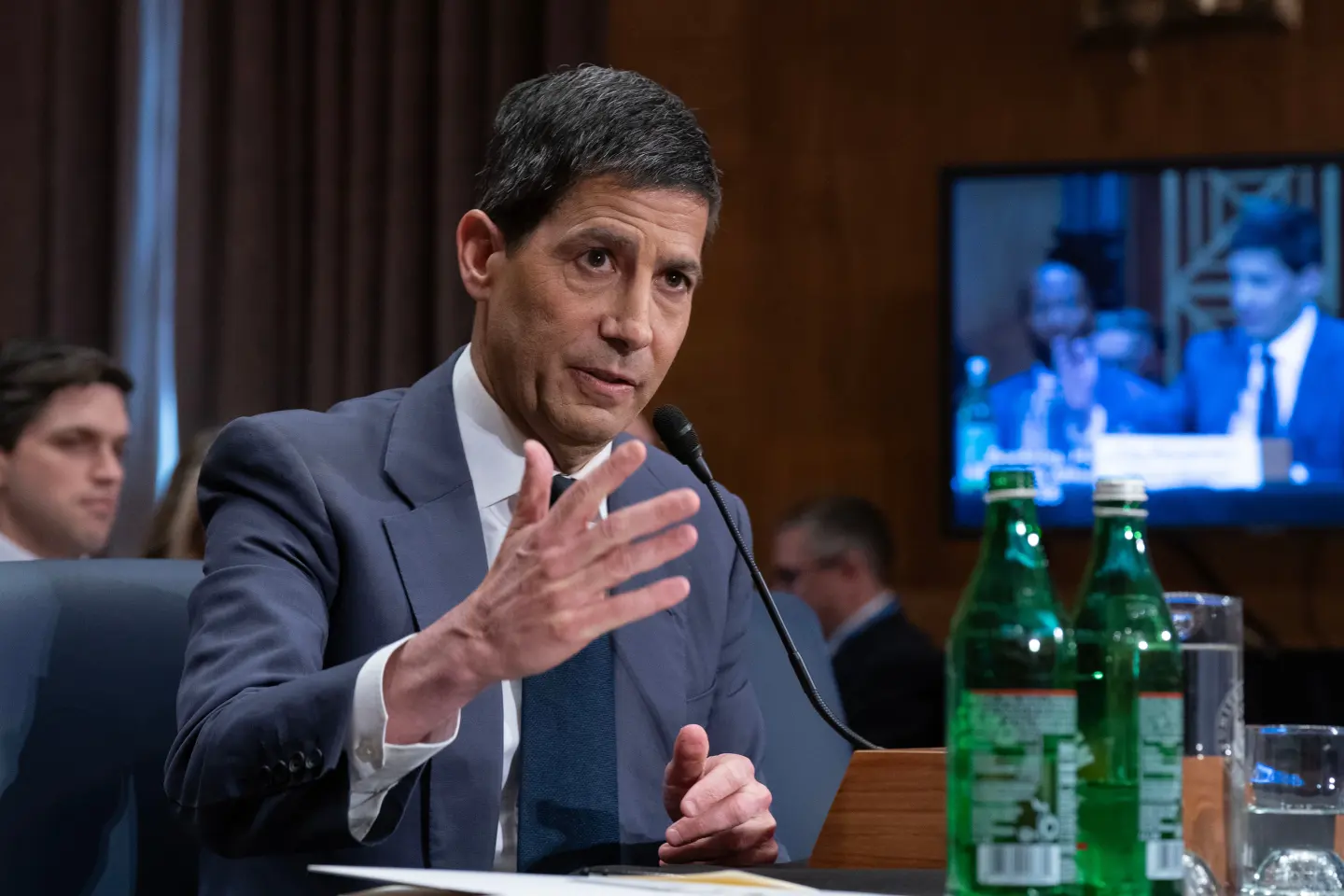
During his Senate hearing on Tuesday, Warsh promised lawmakers he’d resist political pressure from the administration. But when it came to giving any real hints about which direction he’d push interest rates, he stayed remarkably tight-lipped. Many analysts saw this as standard caution from a nominee, but it also meant he passed up a clear opportunity to build a case for rate cuts.
Aditya Bhave, who heads U.S. economics at BofA Securities, summed it up bluntly in a client note, suggesting Warsh’s outlook leans much more toward holding rates steady than slashing them.
Trump, for his part, hasn’t softened his expectations. Speaking to Fox Business last week, he doubled down, saying interest rates should drop significantly once Kevin takes the helm.
Inflation Is the Biggest Hurdle
Here’s where things get tricky. Warsh served on the Fed’s governing board from 2006 to 2011 and spent much of last year publicly pushing for rate cuts while angling for Trump’s nomination. But he’s gone notably silent since being named in late January, with no major public statements since the Iran conflict erupted on February 28.
That war has been brutal for inflation. Oil and gas prices climbed sharply, sending inflation to a two-year peak of 3.3% in March, well above the Fed’s 2% target. The Fed typically keeps borrowing costs elevated, currently around 3.6%, to fight inflation rather than fuel more spending.
Earlier this year, several Fed officials worried that slowing job growth might mean rates were squeezing the economy too tightly. But recent data suggests the labor market may be finding its footing again, weakening the argument for cuts.
Fed governor Christopher Waller, who actually backed a rate cut back in January, raised red flags last week about rising inflation possibly forcing the Fed to hold steady. With unemployment sitting at a healthy 4.3%, he questioned whether cuts are even necessary.
Treasury Secretary Scott Bessent essentially gave Warsh political cover, saying he’d understand if the Fed wanted to wait for clearer economic signals before making any moves. Wall Street has gotten the message: futures markets currently aren’t pricing in a rate cut until October 2027.
The Committee Math Doesn’t Favor Cuts
Even with Warsh as Fed chair, he’s just one voice among twelve on the rate-setting committee that meets eight times yearly. Most members have signaled through speeches or recent votes that they’re not eager to lower rates while inflation runs hot. The committee’s March vote to hold rates steady passed 11-1, telling you everything you need to know about the current mood.
Stephen Miran, who Trump appointed last September, was that lone dissenter pushing for cuts at every meeting he attended. But Warsh’s appointment actually replaces Miran, removing one of the most reliable rate-cut votes. Michelle Bowman, another Trump appointee from his first term, has occasionally dissented toward easing as well, but she’s no guarantee.
Meanwhile, minutes from the March meeting reveal something even more striking: a meaningful group of officials thinks the Fed should be considering rate hikes, not cuts, at upcoming meetings.
Why Warsh Can’t Just Force His Way Through
Former Fed insiders say committee members generally support their chair, but pulling an entire committee toward your view rarely happens overnight. Jon Faust, a Johns Hopkins economist who previously advised Powell, points to Alan Greenspan’s late-1990s success in convincing colleagues that internet-driven productivity gains meant rates didn’t need raising. But that took years of credibility building.
According to Faust, Warsh enters without anything close to Greenspan’s reputation. Instead, he carries political baggage from Trump’s heavy-handed lobbying, raising fair questions about his independence. Some economists suggest the smartest play for Warsh would actually be holding rates steady early on, just to prove he’s his own person.
Mixed Signals from Warsh Himself
At his hearing, Warsh acknowledged a narrow window to bring inflation back down, language that sounded closer to a hike argument than a cut argument to many listeners. He also described the job market as essentially at maximum employment, removing another typical justification for cutting rates.
Before his nomination, Warsh frequently argued artificial intelligence would supercharge productivity and let the Fed cut rates without sparking inflation, drawing parallels to the internet boom. But during his hearing, he hedged this view, admitting nobody can really count on it.
Claudia Sahm, chief economist at New Century Advisers and a former Fed economist, observed that Warsh’s positions lacked clarity heading in and got even murkier during the hearing. Specifics were in short supply.
The Bottom Line for Borrowers
Anyone hoping a new chair means immediate relief on loan rates should temper expectations. Between sticky inflation, a cautious committee, and Warsh’s own measured tone, lower borrowing costs aren’t arriving anytime soon, regardless of what the White House wants.