













John Ternus VR Headset Connection Surfaces Thanks to Palmer Luckey
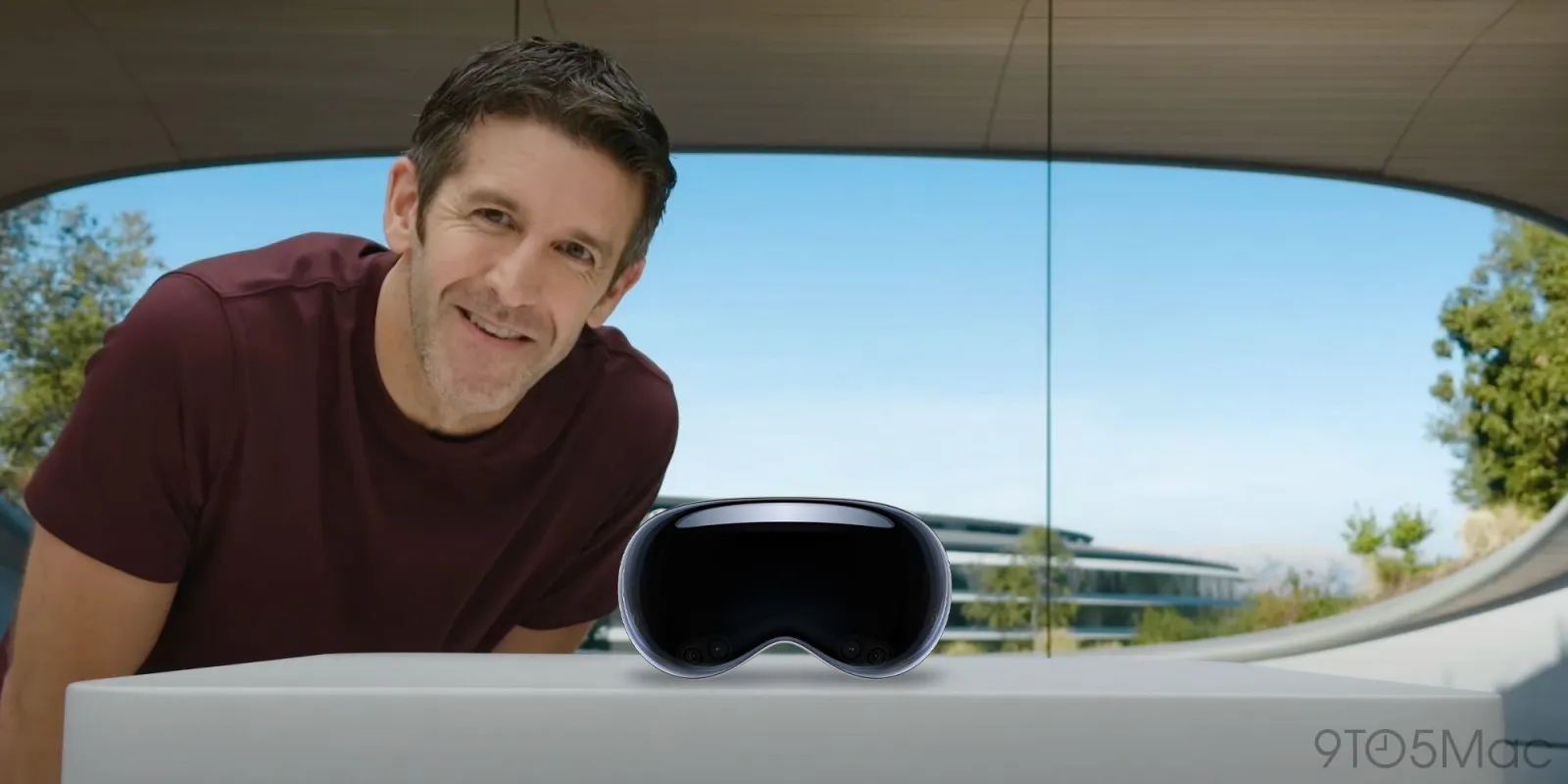
A surprising piece of tech history has resurfaced just as the spotlight intensifies on Apple’s incoming chief executive. The John Ternus VR headset story, dating back nearly three decades, has been pulled back into public view by none other than Palmer Luckey, the inventor behind the Oculus headset and now a defense startup founder.
While most know Ternus as Apple’s longtime hardware leader and the man preparing to take over as CEO in September, fewer realize that one of his earliest engineering jobs involved building virtual reality headsets at a small Silicon Valley outfit in the late 1990s.
A 25-Year Apple Veteran With a Niche Past
Ternus has spent the bulk of his career inside Apple, with a quarter century under his belt at the Cupertino giant. But before joining Apple in 2001, his only other professional stop was at a tiny VR hardware company called Virtual Research. He worked there for roughly four years, from 1997 until his move to Apple.
That short chapter has now become a fascinating piece of trivia thanks to a recent post from Luckey on X, where he shared a photograph of a vintage V8 head-mounted display made by Virtual Research.
The Headset Luckey Owned at 16
In his post, Luckey explained that based on his research, Ternus appears to have been the lead mechanical engineer behind the very V8 unit he managed to obtain as a teenager. For a 16-year-old VR enthusiast at the time, getting hold of such a piece of equipment would have been a dream come true.
Speaking to Business Insider, Luckey described the V8 in glowing terms, calling it remarkable for its era. He noted that the device was well-balanced, relatively light on the head, and offered a field of view that genuinely outclassed most consumer alternatives available at the time.
There was a catch, of course. The V8 wasn’t aimed at everyday users. Its primary buyers were military flight simulator programs, and it carried a price tag in the neighborhood of $50,000 per unit. Neither Apple nor Ternus immediately responded to requests for comment.
A Look at the V8’s Origins
A user guide for the V8 that’s still available online indicates the headset was launched in 1998, squarely during Ternus’s tenure at Virtual Research. His LinkedIn profile confirms his time at the company spanned 1997 to 2001, the same year he made the move to Apple.
Adding another layer of authenticity to the story, a patent filed in 1995 and granted in 1998 describes a virtual display apparatus designed for VR systems. The device, which supported attached video displays, bears a striking resemblance to the V8. The timeline aligns neatly with Ternus’s years at the company.
From VR Pioneer to Apple’s Top Executive
Today, Ternus is best known as Apple’s hardware chief, having played central roles in the development of products such as the AirPods and the iPad. His upcoming promotion to CEO marks a significant shift in the company’s leadership style.
Tim Cook, the outgoing CEO, built his reputation on operations and supply chain mastery. Ternus, on the other hand, brings a product-driven sensibility back to the corner office, evoking memories of the Steve Jobs era when hardware vision sat at the very heart of the company’s identity.
The Vision Pro Connection
Apple officially entered the modern VR and mixed reality space in 2024 with the launch of the Vision Pro headset. The reception, however, was decidedly mixed. With a steep $3,500 price tag and a notable absence of must-have software experiences, the device struggled to find a strong foothold among mainstream consumers.
By the time Vision Pro hit the market, Ternus had already been serving as senior vice president of hardware engineering for three years, meaning his fingerprints were all over its development.
Despite the underwhelming public response, both Cook and Ternus have remained publicly enthusiastic about the device and its long-term prospects. In an interview with Tom’s Guide earlier this month, Ternus called the Vision Pro an extraordinary product, comparing it to reaching into the future and pulling something out of it into the present.
A Full-Circle Moment
There’s something poetic about a soon-to-be Apple CEO whose engineering career began with a clunky, expensive VR headset built for military simulators, only to circle back decades later to lead the launch of a far more advanced consumer mixed reality device.
For Luckey, who once dreamed of headsets like the V8 as a teenager and went on to revolutionize the field with Oculus, the discovery is more than just a fun bit of nostalgia. It’s a reminder that the people shaping today’s biggest tech moments often have surprising origin stories tucked away in their resumes.
As Ternus prepares to step into the top job at Apple, the world will be watching closely to see whether his hardware-first instincts can deliver the kind of magic the company became famous for and whether the seeds planted way back in those Virtual Research days might finally bear fruit on a much larger stage.