


















White House Regeneron Drug Pricing Deal Caps Off Year-Long Pharmaceutical Push
The White House Regeneron drug pricing deal marks a significant moment in the Trump administration’s ongoing effort to lower prescription medication costs across the United States. On Thursday, the administration is set to formally announce the agreement with Regeneron, the final pharmaceutical company to strike a deal under President Donald Trump’s sweeping drug pricing initiative.
This agreement closes the loop on a yearlong pressure campaign aimed at more than a dozen major drugmakers, all of whom were pushed to offer discounts in exchange for relief from tariffs. Regeneron’s participation brings the full list of targeted companies on board, giving the White House a notable political win heading into a critical election period.
What the Regeneron Deal Includes
According to a White House official who spoke with NOTUS, the deal covers several important pieces that will directly affect both government health programs and everyday consumers.
Regeneron has agreed to:
- Reduce Medicaid prices on both current and future medications
- Sell Praluent, a widely used cholesterol-lowering drug, for $225
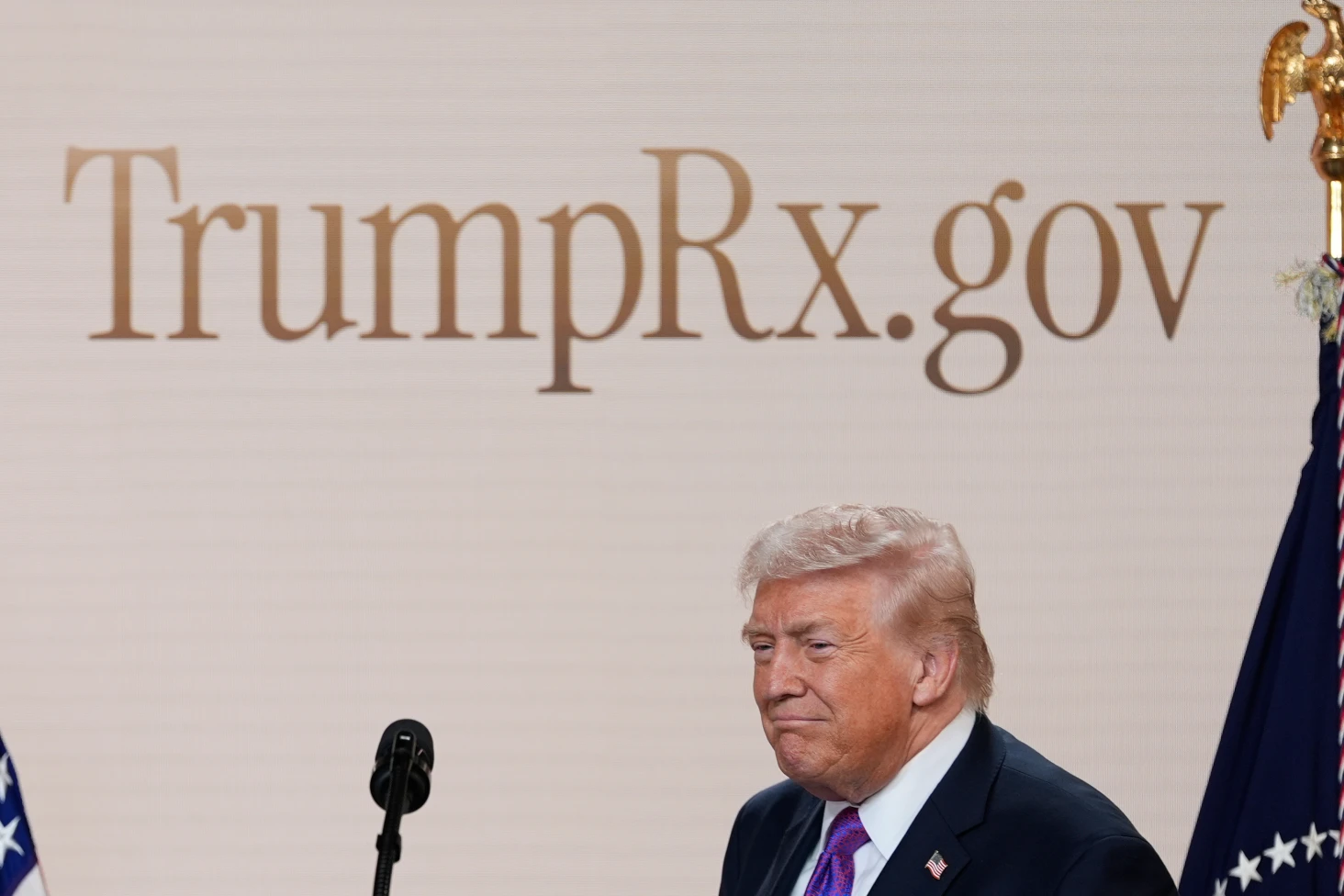
- List Praluent on TrumpRx, the administration’s new drug pricing portal
- Offer its newly approved gene therapy Otarmeni free of charge to patients who need it
- Invest nearly $10 billion in boosting domestic manufacturing within the United States
The TrumpRx platform is designed to connect American patients to discounted prices on select medications, giving the administration a centralized way to promote the results of these pharmaceutical deals.
A Breakthrough Treatment for Children With Hearing Loss
One of the most emotionally compelling elements of the Regeneron deal involves Otarmeni, a gene therapy developed to treat a rare form of hearing loss in children. The company is expected to announce during the Oval Office event that the drug has officially received approval from the Food and Drug Administration, following a fast-tracked review process that began last year.
Regeneron has committed to providing Otarmeni at no cost to any child who needs it. To highlight the impact of this therapy, the Thursday afternoon announcement will feature a mother whose child used the drug and successfully regained their hearing. It’s a powerful moment that the White House is clearly hoping will resonate with both supporters and skeptics of the administration’s approach to drug pricing.
The Bigger Picture: Trump’s “Most Favored Nation” Initiative
Drug pricing has been a cornerstone of President Trump’s domestic policy platform. Last summer, he sent letters to 17 of the largest pharmaceutical companies in the country demanding they match the lowest prices paid by other wealthy nations. That initiative, known as the “Most Favored Nation” policy, has been positioned as a way to end what Trump has long described as American consumers subsidizing cheaper drugs for the rest of the world.
Regeneron was the seventeenth and final company on that list to reach an agreement with the White House. The process began with Pfizer back in September, and from there, Trump has repeatedly brought pharmaceutical executives into the Oval Office to highlight each new deal.
Why the Regeneron Agreement Is Different
Unlike several of the larger pharmaceutical giants that have signed onto the program, Regeneron has a relatively narrow product portfolio. That makes discounting its key medications a heavier financial hit than it might be for companies with broader revenue streams.
The company’s best-selling drug is Dupixent, an injectable used to treat severe eczema along with a variety of autoimmune conditions. Other major products include Eylea, which treats macular degeneration, and Kevzara, a rheumatoid arthritis medication. Because Regeneron relies heavily on a small number of blockbuster drugs, the pricing concessions it has agreed to could meaningfully affect its bottom line.
Criticism and Skepticism of the Drug Pricing Deals
Despite the celebratory tone from the White House, critics have raised important questions about how much these agreements will actually save American consumers.
Several concerns have surfaced:
- Medicaid already pays significantly less for prescription drugs than Medicare and private insurers do
- Medicare and private insurance programs are not included in the deals
- Many of the drugs being promoted on TrumpRx were already available at discounted prices through other channels
- Some companies that signed deals with the administration went on to raise prices on January 1 anyway
These points suggest that while the optics of the deals are strong, the real-world impact on most Americans’ pharmacy bills may be more limited than the administration is publicly claiming.
The Role of Chris Klomp
The man largely responsible for brokering these agreements is Chris Klomp, who currently heads up Medicare and was recently tapped to serve as a stabilizing force within the Department of Health and Human Services. With midterm elections approaching, Klomp’s role has become increasingly strategic, as the administration looks to keep its health policy messaging focused and consistent.
Under Klomp’s leadership, several pharmaceutical companies have gone beyond simple discounts and committed to giving away certain products for free to those who cannot afford them. The White House has also asked Congress to pass legislation that would formally require drugmakers to offer “Most Favored Nation” pricing across government insurance programs, a step that would give the policy lasting legal backing.
Transparency Questions From Democrats
Not everyone is taking the deals at face value. Over the past week, Democrats in Congress have pressed Health Secretary Robert F. Kennedy Jr. during a series of hearings to release the specific terms of the pharmaceutical agreements. Kennedy declined to share those details publicly, citing what he described as proprietary information.
This lack of transparency has become a sticking point for critics who argue that the American public deserves to see exactly what these companies agreed to and what they received in return. Without independent verification, it’s difficult to measure the true scope of the promised savings.
A Personal Connection Between Trump and Regeneron
There’s also a notable personal footnote in this story. During his first term, Trump received an antibody treatment manufactured by Regeneron after contracting COVID-19. That treatment was widely credited at the time with helping him recover quickly, and it gave Regeneron significant public visibility during the height of the pandemic. The president’s history with the company adds an interesting dimension to this week’s announcement.
What This Means for American Consumers
For patients and families worried about the cost of prescription medications, the White House Regeneron drug pricing deal offers a mix of hope and caution. Some of the benefits are concrete and immediate:
- Families of children with the rare hearing loss condition will have access to a potentially life-changing therapy at no cost
- Patients who rely on Praluent for cholesterol management will see a fixed $225 price point through TrumpRx
- Medicaid recipients could see meaningful savings on current and future Regeneron products
- Domestic manufacturing investments could create new jobs in the United States
At the same time, anyone covered by Medicare or private insurance should temper their expectations. The current deals largely bypass those programs, meaning the majority of Americans may not see the dramatic price reductions the administration is promoting.
The Road Ahead for Pharmaceutical Pricing
With all 17 targeted companies now on board, the Trump administration has effectively completed the first phase of its drug pricing strategy. The next challenge will be turning these individual agreements into lasting policy change. That will likely require congressional cooperation, continued pressure on the industry, and perhaps most importantly, evidence that the deals are actually making medications more affordable for the people who need them.
As midterm elections approach, expect drug pricing to remain a prominent talking point. Whether voters see the Regeneron agreement and others like it as meaningful progress or political theater may ultimately depend on what they experience at their local pharmacy counters in the months to come.
Final Thoughts
The White House Regeneron drug pricing deal represents both a political milestone and a reminder of how complex pharmaceutical pricing really is in the United States. The administration has successfully brought every major targeted drugmaker to the negotiating table, secured commitments on Medicaid pricing, expanded access to cutting-edge therapies, and encouraged domestic manufacturing investment. Those are real accomplishments that deserve acknowledgment.
However, the concerns raised by critics, including the limited scope of the deals, the lack of transparency, and the fact that some companies raised prices despite signing agreements, cannot be ignored. The true measure of success will be whether American families genuinely feel relief when they pick up their prescriptions. Until that happens, the Regeneron deal, like the 16 that came before it, remains a promising headline with a story still being written.