

















Microsoft Gaming Xbox Rebrand Signals a Major Strategic Shift Under New Leadership
Microsoft Gaming Xbox rebrand is making waves across the gaming industry as the company pivots back to its iconic Xbox identity. In a sweeping move that goes far beyond just changing a name, Microsoft is rolling out an ambitious new mission statement that touches everything from pricing to exclusivity to AI strategy. The rebranding marks a fresh chapter for the gaming giant under new leadership, and the implications for players, developers, and the broader industry are significant.
The shift away from the “Microsoft Gaming” label, which had been adopted in January 2022 following the massive Activision Blizzard acquisition, represents more than corporate housekeeping. It signals a renewed focus on what Xbox stands for — gaming, players, and a more personal connection with its community.
Why Microsoft Is Going Back to Xbox
When Microsoft acquired Activision Blizzard, the company unified its gaming efforts under the “Microsoft Gaming” umbrella. This made organizational sense at the time, providing a clean structure for managing Xbox, Activision Blizzard, and other gaming-related properties. However, according to a memo shared with employees on Xbox Wire, the company has decided that the Microsoft Gaming brand wasn’t capturing the soul of the business.
CEO Asha Sharma and CCO Matt Booty wrote that while Microsoft Gaming accurately described the corporate structure, it failed to convey the company’s ambition. By returning to the Xbox brand, the company is signaling a renewed focus on creating gaming experiences that resonate with players on an emotional level — something that the more sterile “Microsoft Gaming” name struggled to do.
This is a smart move from a marketing perspective. Xbox is one of the most recognizable brands in gaming, with decades of equity built up among loyal fans. Leveraging that brand power makes sense, especially as the company looks to differentiate itself in an increasingly competitive gaming landscape.
A New North Star: Daily Active Players
Perhaps the most interesting reveal in the new mission statement is the company’s adoption of daily active players as its key performance indicator. According to Sharma and Booty, this metric will become Xbox’s “new north star,” guiding decisions about hardware, content, experiences, and services.
Focusing on daily active players represents a meaningful shift in how Xbox measures success. Traditional metrics like console sales or even total subscribers can hide whether players are actually engaging with games on a regular basis. By prioritizing daily active players, Xbox is essentially committing to making games and services that people genuinely want to come back to every day.
This metric also reflects how the gaming industry has evolved. With games-as-a-service titles, live games, and ongoing content updates becoming the norm, sustained engagement matters more than ever. A game that sells well at launch but fails to retain players is no longer considered as successful as one that maintains an active community over time.
Hardware Still Matters: The Affordable, Personal, Open Future
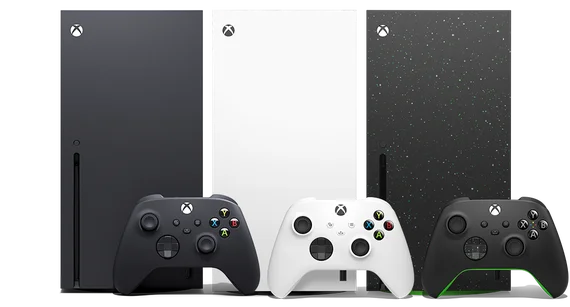
Despite all the talk of services and digital ecosystems, Xbox isn’t abandoning hardware. The console remains central to the company’s future plans, with Sharma and Booty describing the next generation of Xbox as “affordable, personal, and open.”
This three-word philosophy is worth unpacking:
- Affordable suggests Xbox understands that price is a barrier for many gamers and is committed to delivering value
- Personal indicates a focus on customization and tailored experiences for individual players
- Open hints at a more flexible approach that could embrace different gaming experiences, including PC titles
The “open” aspect is particularly intriguing. Xbox has been pushing toward greater flexibility for some time, including last month’s announcement that the next-generation console, codenamed Project Helix, will be capable of playing PC games. This blurs the traditional lines between console and PC gaming, potentially expanding the platform’s reach.
Rethinking Exclusivity and AI
One of the most significant statements in the new mission involves Xbox’s approach to game exclusivity and artificial intelligence. The executives wrote that the company will “re-evaluate” its approach to exclusivity windowing and AI as it moves forward.
This is huge for the gaming industry. Exclusivity has long been a cornerstone of console competition, with companies like Sony, Microsoft, and Nintendo using exclusive titles to drive hardware sales. By signaling openness to reconsidering this strategy, Xbox is acknowledging that traditional exclusivity models may not be the path forward.
The company has already taken steps in this direction, releasing some former Xbox exclusives on competing platforms in recent years. The new mission statement suggests this trend will continue and possibly accelerate, with Xbox prioritizing reaching as many players as possible over locking content to a single platform.
The AI angle is equally fascinating. As artificial intelligence becomes increasingly important in game development, content generation, and player experiences, Xbox is signaling that it’s still figuring out the best approach. The company appears willing to experiment and adapt as the technology evolves rather than committing to a fixed strategy.
Expanding Globally and Embracing Mobile
Sharma and Booty also outlined plans to grow Xbox’s presence in China, emerging markets, and mobile-first audiences. This represents a major strategic shift for a company that has historically focused on console and PC players in established Western markets.
The mobile push is particularly noteworthy. Mobile gaming represents the largest segment of the gaming industry by revenue, yet traditional console makers have struggled to capture meaningful share of that market. With Activision Blizzard now under its umbrella, Xbox has access to massive mobile properties like Candy Crush, giving the company a real foothold in mobile gaming.
China and emerging markets present another huge opportunity. As gaming continues to grow globally, regions outside North America and Western Europe represent the future of industry growth. By prioritizing these markets, Xbox is positioning itself for long-term success rather than just defending its existing turf.
Game Pass Gets a New Direction
Game Pass has been a cornerstone of Xbox’s strategy for years, and the new mission statement makes clear that the service will continue to play a central role. However, the company is committing to making Game Pass more sustainable from a financial perspective while still delivering value to players.
This balance was tested earlier this week when Xbox announced significant changes to Game Pass pricing and content. The top-tier Game Pass Ultimate subscription dropped from $29.99 to $22.99 per month, while PC Game Pass fell from $16.49 to $13.99 per month.
These price reductions came in response to customer feedback. Sharma had communicated internally that the service had “become too expensive for players,” prompting the adjustments. The cuts don’t fully reverse the 50% price increase that was implemented in October 2025, but they do signal that Xbox is listening to its community.
In another notable change, Call of Duty was removed from the day-one launch lineup on Game Pass, reflecting the difficult economic realities of including blockbuster titles in subscription services from launch day.
Doubling Down on Creator-Centric Platforms
The mission statement also emphasized growing Xbox’s creator-centric platforms, with specific mention of Minecraft, The Elder Scrolls, and Sea of Thieves. These titles represent the kind of long-term, community-driven games that align perfectly with the focus on daily active players.
Minecraft, in particular, is a standout example. The game has remained relevant for over a decade, with millions of players continuing to engage with it daily. By doubling down on this kind of evergreen content, Xbox is investing in the games that drive sustained engagement rather than chasing one-off blockbuster releases.
The company also highlighted plans to improve discovery, customization, social, and personalization features for its community. These quality-of-life improvements often don’t grab headlines, but they significantly impact how much players enjoy their time with Xbox products.
Project Helix: The Next-Generation Console
Looking ahead, Project Helix represents Xbox’s next major hardware leap. Last month, the company announced its next-generation console under this codename, with Jason Ronald, Xbox VP of next generation, promising “high performance and the ultimate player-first experience.”
This new hardware is being developed through a multi-year partnership with AMD, which has powered Xbox consoles for several generations. The collaboration ensures that Project Helix will benefit from the latest advances in graphics, processing, and gaming-focused silicon.
The fact that Project Helix will be capable of playing PC games is particularly intriguing. This represents a meaningful evolution in what an Xbox console can be, potentially eliminating the friction between console and PC gaming for users.
What This Means for Players
For Xbox fans, the new mission statement and rebranding offer plenty to be excited about. Some of the practical implications include:
- More accessible pricing for Game Pass subscriptions
- A focus on games and services that reward sustained engagement
- Expanded availability of Xbox content across different platforms
- New experiences specifically designed for mobile and emerging markets
- A next-generation console that bridges traditional console gaming with PC capabilities
While not every change will be welcomed by every player — some longtime Xbox loyalists may be uncomfortable with reduced exclusivity, for example — the overall direction emphasizes player choice, value, and engagement.
Competitive Implications
The gaming industry is fiercely competitive, and Xbox’s new direction will inevitably impact its rivals. Sony continues to push its PlayStation brand with strong exclusives and a more traditional console-focused approach. Nintendo operates in its own unique space with first-party magic and innovative hardware. Mobile-first companies and PC gaming platforms like Steam represent additional competitive pressure.
Xbox’s willingness to reconsider exclusivity and embrace open platforms could shake up these traditional competitive dynamics. If players can access Xbox’s biggest titles on multiple platforms, the calculus of which console to buy changes significantly. This could either expand Xbox’s audience dramatically or undermine the value proposition of owning Xbox hardware specifically.
Final Thoughts
The Microsoft Gaming Xbox rebrand is far more than a name change. It represents a comprehensive strategic shift that touches nearly every aspect of how Xbox operates and engages with players. From the focus on daily active players to the willingness to reconsider exclusivity and AI strategies, the new mission statement signals a company that’s adapting to the realities of modern gaming.
For players, the rebranding promises better pricing, more accessible content, expanded platform options, and a renewed focus on the games and experiences that keep people coming back day after day. For the industry, it signals that even the biggest players are willing to rethink fundamental assumptions about how gaming companies should operate.
Whether this new direction succeeds will depend on execution. Plenty of companies have announced bold strategic shifts only to struggle with the actual implementation. But with new leadership, a renewed focus on the iconic Xbox brand, and a clear set of priorities, the company has set itself up for what could be a meaningful evolution.
As we look ahead to September 2026 and beyond, all eyes will be on Xbox to see how the rebranding plays out in practice. The next chapter of the Xbox story is just beginning, and based on this opening statement, it promises to be a fascinating one to watch.